



The Importance of Heat Dissipation in Automotive LED Headlight Bulbs
 Tweet
Tweet Share
Share E-mail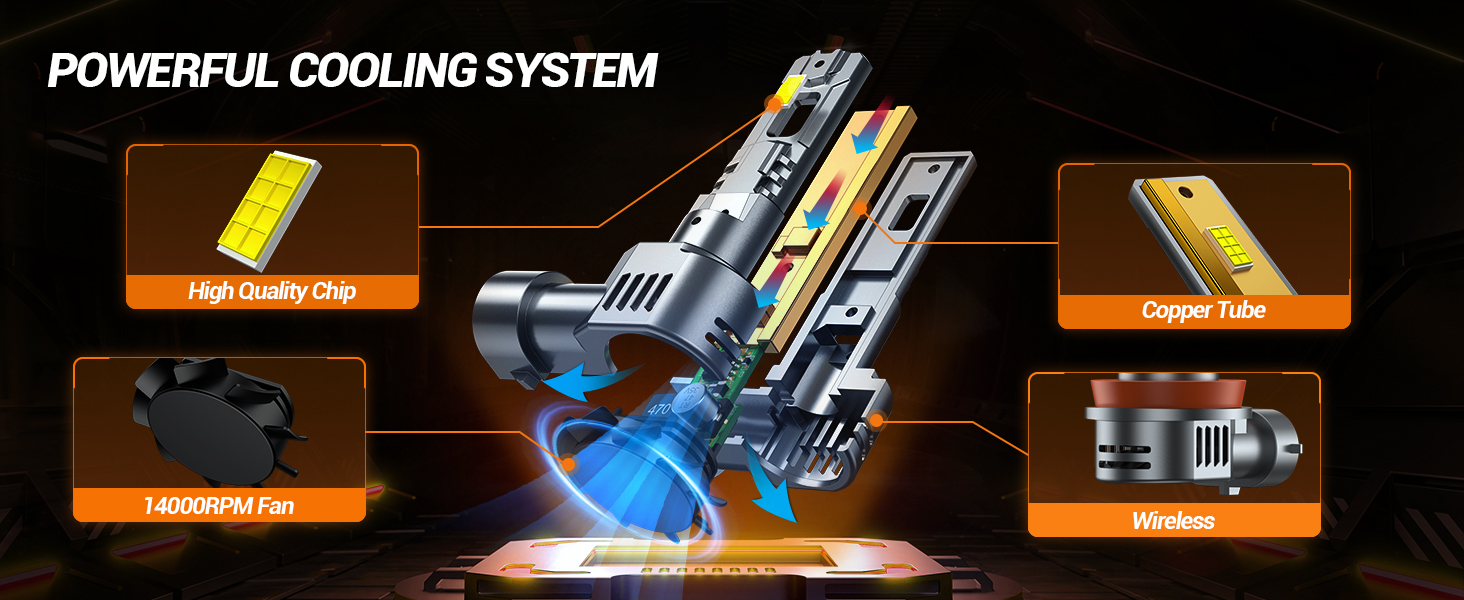
As automotive lighting technology continues to evolve, LED headlights have become the preferred choice for drivers seeking brighter illumination, improved energy efficiency, and longer service life. While brightness and visibility often receive the most attention, one critical factor is frequently overlooked: heat dissipation.
When upgrading your vehicle's lighting system, choosing high-quality auto car LED lights bulbs with advanced thermal management is essential. Without proper heat dissipation, even the most advanced LED bulbs can experience reduced efficiency, shortened lifespan, and potential performance issues. This is why SEALIGHT LED headlight bulbs are engineered with advanced cooling technologies that help maintain optimal operating temperatures, ensuring consistent brightness, reliability, and long-term performance.
Why Do LED Headlights Generate Heat?
Unlike traditional halogen bulbs, LEDs convert a larger percentage of electrical energy into light. However, they still generate heat during operation. The heat is primarily concentrated at the LED chip rather than being radiated outward through the bulb.
If this heat is not properly managed, temperatures can rise rapidly, leading to reduced light output and premature component failure.
For this reason, modern automotive LED headlight bulbs are engineered with advanced cooling technologies to maintain optimal operating temperatures.
How Excessive Heat Affects LED Headlight Performance
Heat buildup can negatively impact LED headlights in several ways:
Reduced Brightness
When LED chips become too hot, they may automatically reduce power output to protect themselves. This process, known as thermal throttling, results in decreased brightness and reduced visibility on the road.
Shortened Lifespan
Excessive temperatures accelerate wear on LED chips, electronic drivers, and internal components. Over time, this can significantly shorten the lifespan of the bulb.
Color Shift
Overheating may cause changes in color temperature, resulting in inconsistent lighting performance and reduced visibility.
Potential Component Failure
Continuous exposure to high temperatures can damage critical electronic components, causing premature bulb failure and costly replacements.
The Role of Heat Dissipation Systems
To combat these issues, manufacturers incorporate specialized cooling systems into LED headlight designs. These systems help transfer heat away from the LED chips and maintain stable operating temperatures.
Common heat dissipation methods include:
Aluminum Heat Sinks
Heat sinks are designed to absorb and disperse heat efficiently. High-quality aluminum heat sinks increase surface area and improve airflow around the bulb.
Built-In Cooling Fans
Many premium LED headlights feature integrated cooling fans that actively move air through the bulb assembly. This helps remove heat more effectively than passive cooling systems alone.
Advanced Thermal Materials
Thermal conductive materials help transfer heat away from sensitive components, further improving overall cooling efficiency.
Why Cooling Fans Matter
One of the most effective methods of heat management in automotive LED headlights is active cooling through built-in fans.
Cooling fans provide several advantages:
- Faster heat dissipation
- Consistent brightness levels
- Extended LED lifespan
- Improved reliability in extreme weather conditions
- Enhanced overall performance
By maintaining lower operating temperatures, cooling fans help ensure that LED headlights continue to deliver optimal illumination over thousands of hours of use.
Choosing High-Quality LED Headlight Bulbs
Not all LED headlights are designed with the same level of thermal engineering. When selecting an upgrade, drivers should consider both lighting performance and cooling technology.
Premium SEALIGHT LED headlight bulbs are designed with advanced heat dissipation systems that help maximize performance while protecting internal components from excessive temperatures.
When evaluating LED headlights, look for:
- Efficient cooling fans
- Durable aluminum heat sinks
- High-quality driver systems
- Long lifespan ratings
- Proven thermal management design
SEALIGHT S7S: Combining Brightness with Efficient Cooling
The SEALIGHT S7S 9005 H11 LED bulbs are engineered to provide powerful illumination while maintaining excellent thermal control.
Key benefits include:
- Advanced cooling technology
- Stable light output
- Enhanced durability
- Reliable performance in various driving conditions
- Extended service life
By efficiently managing heat, these bulbs help drivers enjoy brighter roads without sacrificing longevity or reliability.
The Long-Term Value of Proper Heat Management
Investing in LED headlights with superior heat dissipation offers benefits beyond improved visibility. Effective cooling systems help reduce maintenance costs, minimize replacement frequency, and ensure consistent performance throughout the lifespan of the bulbs.
Drivers who prioritize thermal management often experience:
- Better nighttime driving confidence
- Longer-lasting lighting systems
- Improved energy efficiency
- Greater return on investment
Conclusion
Heat dissipation is one of the most important yet often overlooked aspects of automotive LED headlight performance. Without effective cooling, excessive heat can reduce brightness, shorten lifespan, and compromise overall reliability.
Manufacturers such as SEALIGHT continue to develop innovative cooling solutions that help drivers achieve exceptional visibility, long-lasting performance, and dependable operation under demanding driving conditions.
Company Information
Company Name: SEALIGHT
Website: sealight-led.com
Email: [email protected]
Phone: 1-626-602-1541
Address: United States
COMTEX_485070517/2891/2026-06-28T10:39:58
Serious News for Serious Traders! Try StreetInsider.com Premium Free!
You May Also Be Interested In
- Reveal Partners with Influencer Mario Mirante and His "Talking" Cat, Chef, on Promotional Videos
- MPM Products Among First to Certify Under New, Stricter B Corp Standards
- Gray Sets Date for Third Quarter Earnings Release and Earnings Conference Call
Create E-mail Alert Related Categories
Globe PR Wire, Press ReleasesSign up for StreetInsider Free!
Receive full access to all new and archived articles, unlimited portfolio tracking, e-mail alerts, custom newswires and RSS feeds - and more!
