Tweet
Tweet Share
Share E-mail
Ways to Tell if the AC Is Leaking Refrigerant
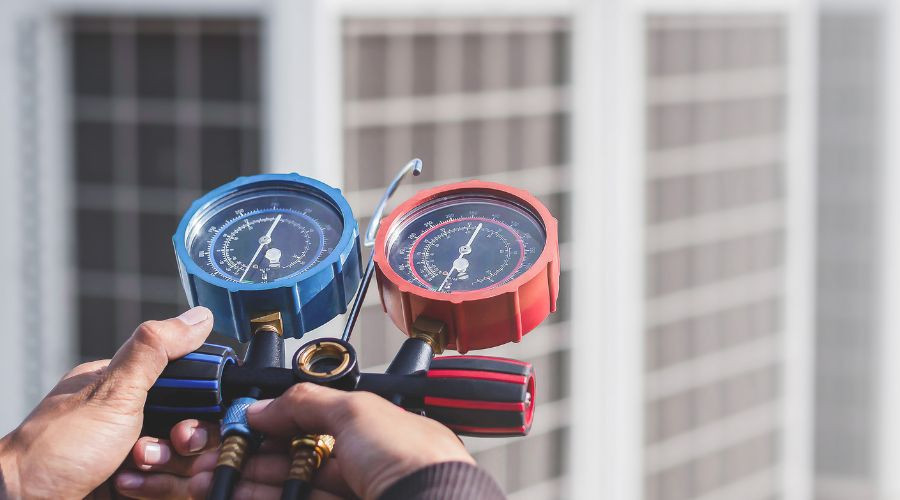
A properly functioning air conditioning system is something most take for granted until problems arise. One issue homeowners face with their air conditioners is a refrigerant leak. While it might start as a subtle change in your AC's performance, a refrigerant leak can lead to significant problems, from higher energy bills to complete system failure.
Understanding the warning signs of a refrigerant leak is important for maintaining comfort and knowing when to call for AC refrigerant leak repair. Whether homeowners experience mysterious temperature fluctuations or notice an unexplained spike in their utility bills, knowing what to look for helps address the problem before it escalates.
The AC Is Not Cooling Properly and High Energy Bills
 When an air conditioner experiences a refrigerant leak, one of the most noticeable signs is diminished cooling performance. Refrigerant is the essential compound that absorbs heat from indoor air and releases it outside. When levels drop below the manufacturer's specifications, the system's ability to cool a home becomes compromised. As a result, homeowners may notice that the air coming from vents isn't as cold as it should be, even when the thermostat is set to a lower temperature.
This inefficient cooling operation forces the AC system to work harder and run longer cycles in an attempt to reach the desired temperature. The extended runtime not only puts additional stress on the system's components but also leads to higher energy consumption and increased utility bills. If the refrigerant leak isn't addressed promptly, the prolonged strain on the AC system can lead to more severe problems, including compressor failure and needing to replace the air conditioner.
Frozen Evaporator Coils
When evaporator coils develop a layer of frost or ice, it's often a telltale sign of a refrigerant leak. Under normal operating conditions, the refrigerant absorbs heat from the air as it flows through the evaporator coils. However, when refrigerant levels drop due to a leak, the remaining refrigerant expands too much, causing the temperature of the coils to drop well below freezing. This creates an environment where moisture from the air rapidly freezes on the coils' surface.
This freezing process creates a snowball effect that compounds the problem. As ice builds up on the coils, it acts as an insulator, further reducing the system's ability to absorb heat and maintain consistent temperatures properly. If someone notices ice accumulation on evaporator coils or other symptoms of a leak, it's crucial to have a professional technician inspect the system for refrigerant leaks.
Unusual Sounds
 Unusual sounds coming from the air conditioning system are another indicator of a refrigerant leak. Refrigerant escapes through a hole or crack in the system's copper lines or components, creating distinctive sounds as the pressurized gas rushes out. The most common sound is a high-pitched hissing or whistling noise, similar to the sound of air escaping from a balloon.
In cases where the leak is occurring in or near the evaporator coil, people might hear bubbling or gurgling sounds. These noises happen because the refrigerant is transitioning between liquid and gas states at the point of leakage, creating turbulence in the system. Additionally, when refrigerant levels become low due to a leak, the remaining refrigerant may struggle to flow properly through the system, resulting in unusual clicking or rattling sounds as the compressor works harder to maintain pressure. A qualified HVAC technician should investigate any of these sounds promptly, as continuing to run the system with a refrigerant leak can cause serious damage to components.
About Warhold Plumbing, Heating and Air Conditioning
Warhold Plumbing, Heating and Air Conditioning is a family-owned and operated company serving Greensburg and the surrounding areas. They offer personalized service and straightforward pricing. Call them for air conditioning repair services in Greensburg, PA.