



Nexbie 3D Printed Sneakers Review: Are They Worth Buying?
 Tweet
Tweet Share
Share E-mail
Nexbie has built its footwear identity around 3D printing rather than treating the technology as a limited-edition experiment. The brand's Nexbie 3D printed sneakers use open lattice structures to address airflow, cushioning, drainage, flexibility, and visual design in one integrated form. Aeroraise is the flagship model for shoppers interested in a bold 3D printed sneaker with everyday comfort features. The main question is whether those structural differences create enough practical value to justify choosing Nexbie over a conventional pair.
What Makes Nexbie Different?
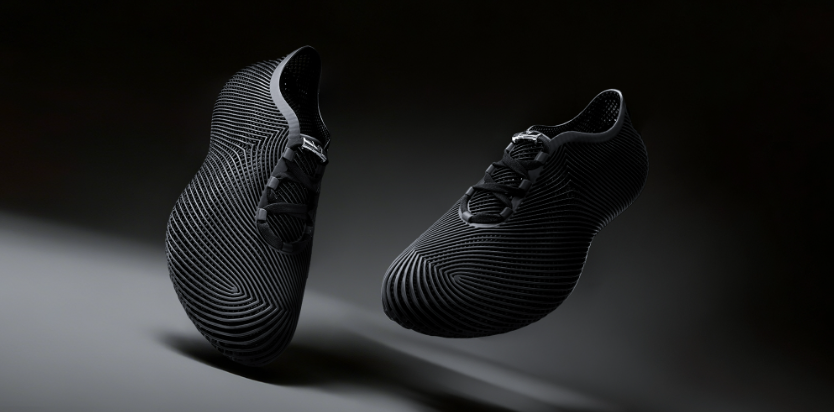
Most sneakers are assembled from many parts: textile uppers, foam midsoles, rubber outsoles, reinforcements, lining, and adhesive. Nexbie's core 3D printed footwear approach replaces much of this layered construction with a printed lattice form. Geometry becomes part of the performance system rather than a decorative surface.
The visible open cells give Nexbie shoes an unmistakable appearance. More importantly, the open structure creates airflow paths and lets water move through the shoe. Underfoot, the lattice compresses to provide cushioning. Different structural zones also support the arch, heel, and forefoot in different ways.
Aeroraise 3D Printed Sneakers: Key Features
Breathability
Aeroraise is strongest as a warm-weather and high-airflow sneaker. The upper is far more open than conventional knit or mesh. Instead of placing ventilation in a few panels, the printed structure creates openings across much of the shoe. People who dislike hot, stuffy footwear will notice this difference immediately.
Cushioning and Rebound
The underfoot feel comes from the deformation of the lattice rather than a standard foam midsole. Aeroraise feels structured and springy instead of deeply soft. This suits users who want cushioning without a sinking sensation. Preferences differ, so people who love ultra-plush foam might need time to adjust to the printed feel.
Arch Support
The shape includes support through the midfoot rather than a completely flat platform. This works well for users who prefer more contact under the arch during long periods of standing or walking. Anyone with a diagnosed foot condition should still choose footwear based on clinical advice rather than treating a consumer sneaker as corrective equipment.
Drainage and Cleaning
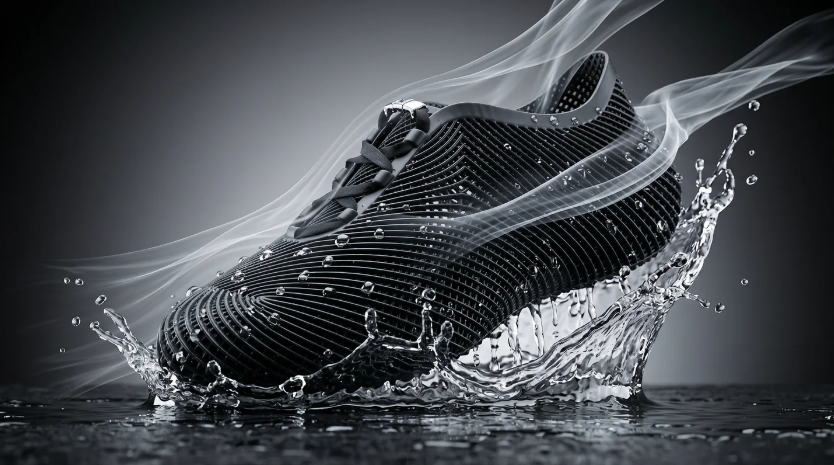
The open structure gives Aeroraise a practical advantage around water. Rain, rinsing, and light water use do not leave thick fabric padding soaked for the rest of the day. Water exits through the lattice, and the non-textile structure dries faster than many conventional sneakers.
Slip-On Convenience
Aeroraise uses a slip-on format, which suits daily wear, travel, and quick errands. The tradeoff is less fit adjustment than a traditional lace system. Correct sizing matters because users do not have laces to tighten around a narrow foot.
Comfort for Everyday Use
For walking, commuting, travel, casual office environments, and standing-heavy routines, Aeroraise offers a strong combination of airflow and cushioning. The open upper prevents the enclosed feeling common with padded sneakers. The platform also has enough structure for extended use rather than feeling like a thin water shoe.
The shoe will not suit every climate. In cold weather, the same open lattice that improves summer ventilation provides little insulation. Dust, sand, and small debris also reach the foot more easily than they would in a closed upper. Aeroraise makes the most sense when airflow and easy water handling are priorities.
Materials and Safety Considerations
Consumers interested in printed footwear often ask what sits directly against the skin. Nexbie emphasizes footwear material safety and publishes information about compliance and testing. Shoppers concerned about chemicals, adhesives, or material composition should review the brand's product and certification details alongside independent standards.
Nexbie also provides educational content about non toxic shoes, including common materials and substances shoppers might want to understand. The printed one-piece approach also reduces reliance on conventional glued layers, which is a notable design difference from many assembled sneakers.
Style: A Strength or a Limitation?
Aeroraise looks like a 3D printed shoe from across the room. That is part of the appeal. The sculptural lattice works well with technical streetwear, casual outfits, travel clothing, and people who want footwear that looks different from standard mesh sneakers.
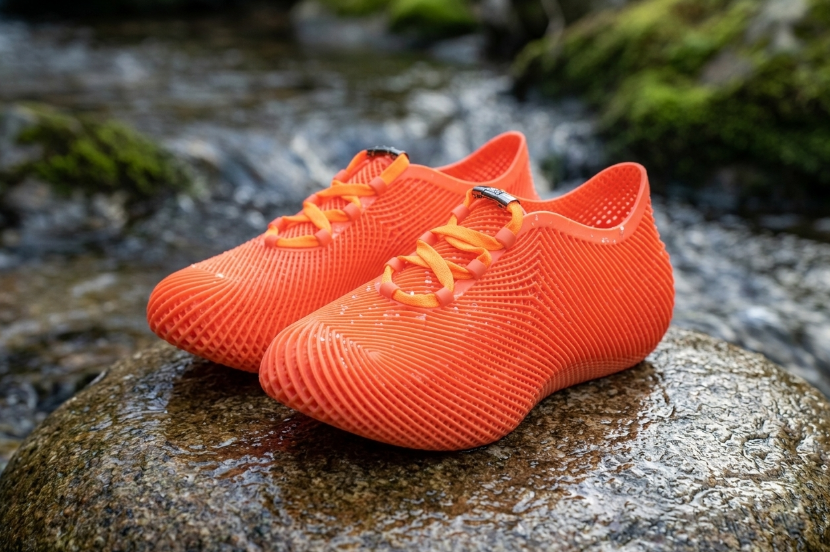
The same design will feel too bold for users who prefer minimal leather or classic retro sneakers. Nexbie offers several color choices, but the lattice remains the defining visual feature in every version. This is not a shoe designed to disappear into an outfit.
Price and Value
Nexbie sits above basic mass-market sneakers, so value depends on whether the printed features matter to you. If you need an inexpensive everyday shoe and do not care about extreme ventilation or printed construction, conventional sneakers offer more choices. If you want an open lattice, quick drainage, a one-piece printed form, and a distinctive design, the price comparison becomes more favorable.
Pros and Cons
Pros
Strong airflow, quick water drainage, easy rinse cleaning, structured cushioning, built-in midfoot support, slip-on convenience, and a distinctive visual identity are the main strengths.
Cons
The open structure offers little cold-weather protection, debris enters more easily, the design is visually bold, and slip-on fit gives less adjustment than laces. The printed cushioning also feels different from soft foam, which is a preference issue rather than a universal advantage.
Who Should Buy Nexbie Aeroraise?
Aeroraise suits people who struggle with hot feet, spend time in warm climates, want rinse-friendly shoes, travel frequently, or simply like experimental footwear design. It also fits users who prefer a cushioned platform with more structure than a flat casual shoe. People who need winter warmth, formal styling, or specialized athletic footwear should look elsewhere.
Conclusion
Nexbie Aeroraise 3D printed sneakers are worth considering when the features of 3D printed construction match your routine. The strongest reasons to buy are ventilation, drainage, structured cushioning, easy cleaning, and a distinctive one-piece lattice design. The weaker points are climate versatility, debris protection, and limited fit adjustment. For warm-weather everyday wear and shoppers who want footwear that visibly reflects 3D printing, Nexbie offers a focused product rather than a technology gimmick.
COMTEX_492514350/2891/2026-09-12T15:25:29
Serious News for Serious Traders! Try StreetInsider.com Premium Free!
You May Also Be Interested In
- Meta expands Muse AI agent to small business market
- Notice to attend an Extraordinary General Meeting of Sivers Semiconductors AB
- Kaya Intelligence Joins AWS ISV Accelerate Program to Advance Enterprise AI Execution
Create E-mail Alert Related Categories
Globe PR Wire, Press ReleasesSign up for StreetInsider Free!
Receive full access to all new and archived articles, unlimited portfolio tracking, e-mail alerts, custom newswires and RSS feeds - and more!
