



Innovations in Manufacturing: The Role of Injection Molding and Filling Machines
 Tweet
Tweet Share
Share E-mail
Introduction
The current production has developed very fast due to technological advancement and the necessity of efficiency, accuracy, and capacity. In the case of consumer products and industrial use, the businesses require highly technological machines to satisfy the increasing demand in the world. Injection molding and filling machines are two of the most critical technologies and they are the core of quality-controlled production in high volumes. This paper discusses their significance, advantages and how they affect industries in the modern world.
The Foundation of Modern Production: Injection Molding Machines
One of the pillars of plastic production is an injection molding machine. It enables manufacturers to make complicated forms and hard parts with astonishing accuracy. It is a procedure of melting plastic pellets then injecting the hot substance into molds, which cools down and becomes the final product. The technology helps automotive industries and also the health care sectors where accuracy and consistency matter.
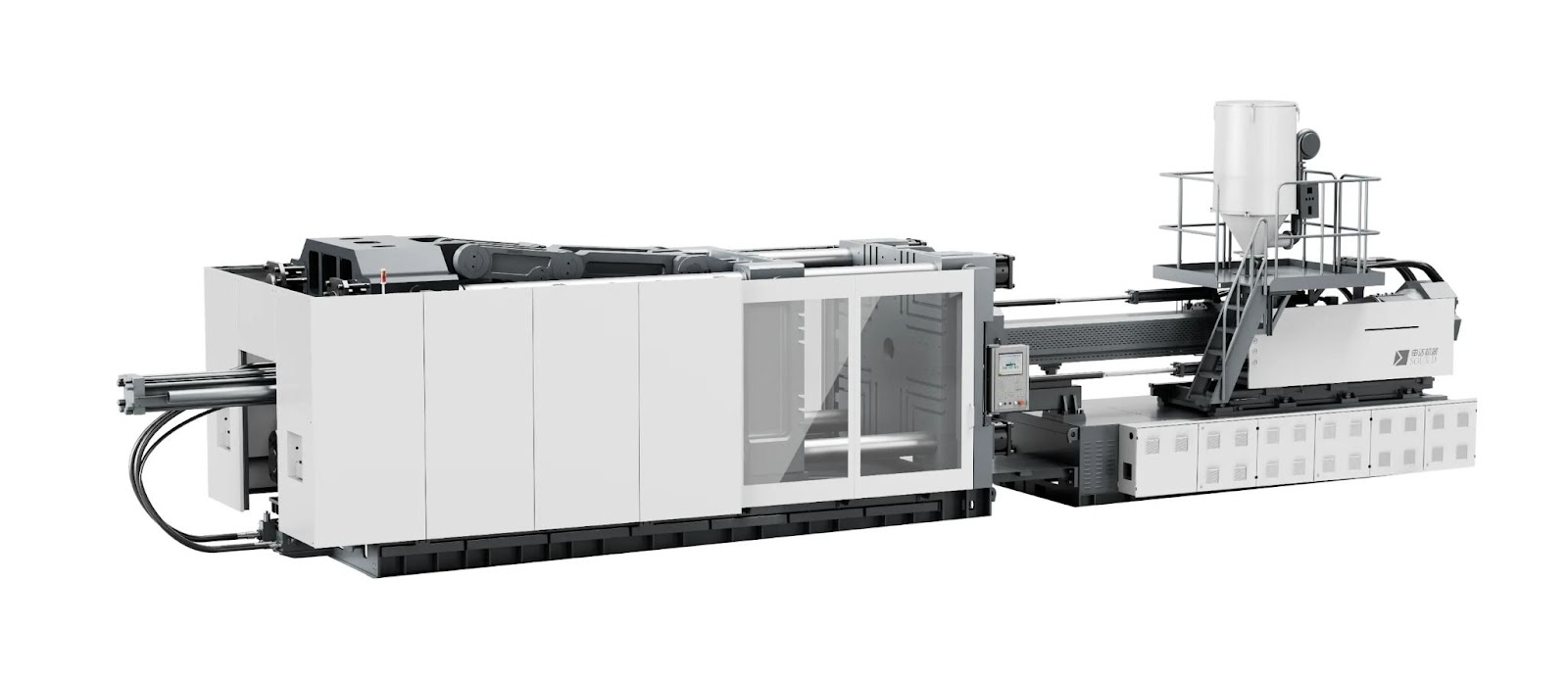
Research indicates that the injection molding machine market in the world will exceed USD 18 billion in 2023 and is expected to rise further because of the increased demand of light weight plastics in automobiles, packaging and electronics. To local manufacturers, investing these machines is not only more productive, but being able to compete in the international markets.
Meeting the Demand for Mass Production
The necessity to mass-produce has never been higher. Consumers demand cheap and yet reliable products, and businesses cannot provide such without compromising their quality. This is through injection molding and filling technologies. Manufacturers can use automation of core processes to minimize human error, reduce production time, and produce units of identical quality, in the millions.
Medical devices and food packaging are the most relevant sectors in which automation is necessary due to the fact that the safety standards have to be followed with consistent accuracy. Having machines with the ability to operate in the nonstop mode, companies can satisfy high-volume demand, as well as reduce the total costs of operation.
Sustainability and Resource Efficiency
Sustainability is another issue that is increasing in the manufacturing industry. The injection molding as well as the filling systems are developing towards environmental objectives. The current injection molding machines are highly designed with energy-efficient designs, which use up to 30 percent of the energy as older models. The mould can also be done using recyclable plastics and bio-based materials and will also have a smaller carbon footprint of the end products.
On the same note, contemporary filling systems are designed in such a way that they reduce waste. The smart sensors can give good measurements to avoid overfilling and minimize loss of products. This is especially relevant in businesses like beverages where even a percent waste will translate to huge losses. With such technologies being combined, companies show their concern about the environment and do not engage in wasteful expenditures.
Precision Packaging: The Role of Filling Machines
A filling machine is equally very vital in the manufacturing particularly in the packaging industries. These are automated dispensing machines that are capable of dispensing liquids, powders or granules into their respective containers, being accurate, hygienic and quick. In pharmaceutical industries to Cosmetic and food manufacturing, filling machines enable companies to comply with regulations as well as provide consumer satisfaction.
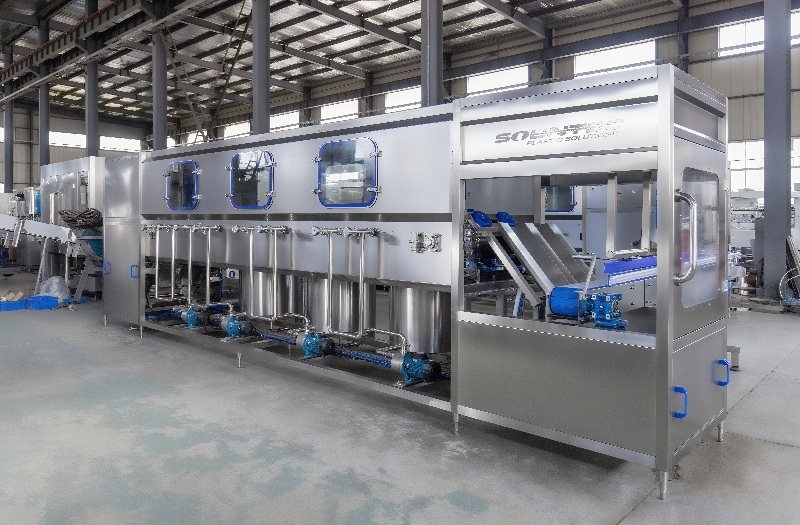
New case analysis in the beverage segment shows how the use of sophisticated filling technology has minimized the chances of contamination and ensured standardization of the product. The flexibility offered by the programmable systems permits companies to accommodate new container sizes and product types by integrating the modifications in an exceptionally brief period and this renders operations flexible and future-oriented.
Smart Manufacturing to Drive Innovation
Injection molding and filling technologies have also been advanced due to the emergence of Industry 4.0. The modern machines can be connected to digital platforms to provide real-time monitoring, predictive maintenance, and analytics. This intelligent solution is less time wasteful, more energy efficient, and smoother operations.
E.g. predictive analytics enable manufacturers to know how equipment will fail before it occurs, and they save time and money. Moreover, to test the scenarios and optimize the workflow, without disrupting the production, digital twins, which are virtual models of physical machines, allow companies to test them. These inventions are a big change in the conventional manufacturing into a wiser and more connected system.
Economic and Global Impact
Introducing a new modern molding and filling equipment is not a technical completion by itself but its economic impact is far-reaching. Excellent countries in manufacturing will have additional jobs, they have higher exported earnings and have a chance to compete favorably in the global markets. With businesses, the machines have been used to reduce the cost of production, bring efficiency, and develop resilience against disruption of the supply chains in the long term.
The worldwide market of packaging machinery, such as that of the packaging system, is likely to be over USD 65 billion in 2030 due to the need to have efficient filling systems. In a similar vein, injection molding remains the most affordable choice of producing voluminous plastics. Collectively, the industries that are allied to these technologies include consumer goods and automotive industries, healthcare and electronics industries, among others, driving global economic growth.
Conclusion
The example of injection molding and filling machines is a way of innovation empowering the current production. The machines with civil engineering design type of accuracy and technical skills guarantee industries that they can provide quality, efficiency and sustainability in a consistent manner. The injection molding machine will never be replaced in having durable and complex parts manufactured on a large scale and the filling machine will be used in the packaging processes to be accurate and safe.
These technologies enhance the production process in addition to deepening the global supply chains and economic stability by combining automation, sustainability, and digital integration. To manufacturers who want to be considered as being competitive in the fast changing world, adopting these systems is no longer a choice but a necessity.
Media Info:
Organization: SOUNTEC PLASTIC SOLUTIONS
Email: [email protected]
Website: https://www.sountecplast.com
COMTEX_469037482/2891/2025-09-25T08:49:12
Serious News for Serious Traders! Try StreetInsider.com Premium Free!
You May Also Be Interested In
- BofA raises AMD target to $720, sees server CPU TAM tripling to $211B by 2030
- RegenLab targets Nasdaq listing under ticker RGNA as revenues top $29 million
- TetherMax Highlights Ongoing WOO X Pro and Binance Campaigns
Create E-mail Alert Related Categories
Globe PR Wire, Press ReleasesRelated Entities
EarningsSign up for StreetInsider Free!
Receive full access to all new and archived articles, unlimited portfolio tracking, e-mail alerts, custom newswires and RSS feeds - and more!
