




How Car Shipping Lead Providers Could Change Under Trump's Policies

FREE Breaking News Alerts from StreetInsider.com!
StreetInsider.com Top Tickers, 10/8/2026
- Wall Street ends lower, off record highs, as Treasury yields climb
- Want to be a stock market bear? BCA says watch potential U.S. tax increases
- SpaceX seeks $40bn in financing for Nvidia chip purchase
- Chip stock could soar nearly 200%, analyst says: "If you don’t buy it, they will"
- Musk rules out TSMC role in Terafab operations; Intel gains
 Tweet
Tweet Share
Share E-mail
Car shipping might not be the first thing on your mind when you think about political changes, but shifts in trade policies can have a big impact on how we transport our vehicles. As Trump's administration rolls out its plans, including potential tariffs and a push for more domestic manufacturing, the car shipping industry is bracing for some serious adjustments. These modifications may affect everything from shipping costs to the availability of certain vehicles. So, if you're considering moving a car or buying one from afar, understanding these changes could save you both money and time in the long run. Let's take a closer look at what these policies could mean for car shipping leads and the broader industry landscape.
Car shipping lead providers such as Auto Transport Broker Leads may experience significant changes under Trump's administration due to potential tariffs and shifts toward domestic manufacturing. These policies could lead to increased operational costs, necessitating adjustments in pricing strategies, sourcing alternatives, and enhancing competitive services to adapt to the evolving market dynamics.
Current State of Car Shipping Leads
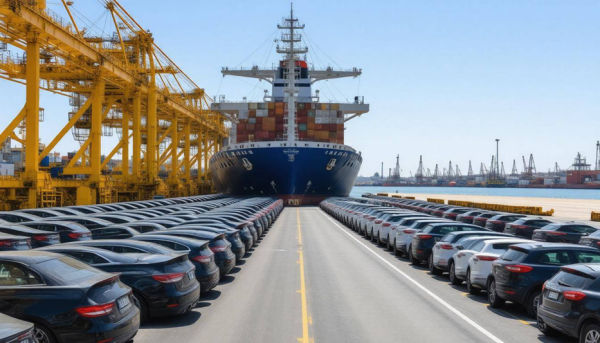
The car shipping industry heavily relies on lead providers who act as intermediaries, bridging the gap between customers needing vehicle transport and shippers capable of delivering those services. These providers gather consumer interest and preferences, then match them with the appropriate shipping companies. This system creates a streamlined approach where efficiency is key; think of it as a well-oiled machine where each cog plays an integral part.
Currently, the market is dominated by a few major players like uShip, Montway Auto Transport, and Ship a Car Direct. Each of these companies has carved out its own niche in this competitive landscape, often competing based on their network size, customer reviews, and service quality. For example, uShip is known for its extensive carrier network, which allows customers to find transport options quickly and easily. On the other hand, Montway has built a reputation around high customer satisfaction ratings, emphasizing reliable and friendly service that keeps customers coming back.
To paint a clearer picture, consider this: according to industry reports, the global vehicle shipping market was valued at over $31 billion in 2022. This figure reflects consistent growth with an annual increase of around 3%. These numbers indicate not only a thriving industry but also underline the significance of successful lead generation in maintaining that growth.
As the car shipping arena evolves, understanding these dynamics becomes crucial for both consumers and providers alike. The service you receive often hinges on how effectively leads are generated and handled.
However, beyond these established names lies a vast network of over 1,000 car shipping lead providers operating in the U.S. market. While some may be small-scale operations attempting to carve out their own space, others offer specialized services that appeal to niche markets. Their success relies on adapting quickly to changing consumer demands, which have surged by approximately 20% from 2021 to 2023, largely due to online vehicle sales and prevalent relocation trends.
Given this backdrop, it's evident that external factors--such as potential tariff implications under Trump's policies--will require both established players and new entrants to adapt swiftly while keeping customer needs at the forefront of their service offerings. As we move forward, understanding how these anticipated changes might shape the landscape will be essential.
Anticipated Policy Changes
Speculations about new tariffs and revised trade agreements are swirling as Trump's administration gears up to implement its economic agenda. One key area of focus is his intention to renegotiate trade deals which might lead to stiff tariffs on imported vehicles, especially those manufactured in Mexico and Canada. A proposed 25% tariff could inflate costs significantly, affecting not just the importers but also American manufacturers who rely on parts from these countries. This scenario hints at a reshaping of car shipping logistics across North America, impacting both speed and cost.
Imagine being a small auto importer. Suddenly, your usual channels become fraught with increased expenses. Those savings you once offered to consumers? Gone.
The heavy emphasis on bolstering American manufacturing means stricter import regulations are almost inevitable. For shipping companies accustomed to easier cross-border transactions, this shift could complicate their operations dramatically. If they face higher tariffs for every vehicle brought into the U.S., many may need to reevaluate their pricing structures or rethink their entire business model.
It's important to consider how these predicted changes will ripple through the marketplace. Companies that depend heavily on international supply chains might struggle if they cannot quickly pivot to domestic sourcing. Not only will this challenge traditional car shipping methods, but it could also jeopardize inventory systems that rely on quick resupply from foreign manufacturers.
Industry experts speculate there may be financial incentives aimed at promoting domestic production rather than foreign imports, which would further strain import-dependent car shipping services. These shifts could redefine partnerships between dealers and distributors who previously relied on smooth import channels to meet consumer demand swiftly.
Tariffs aren't just numbers; they're decisions that redefine relationships and strategies across the industry.
As we examine the potential ramifications of these policies, it's essential to stay informed about the broader impacts on the market landscape, particularly regarding changes in cost structures and operational strategies within the automotive sector.
Impacts of Potential Tariffs
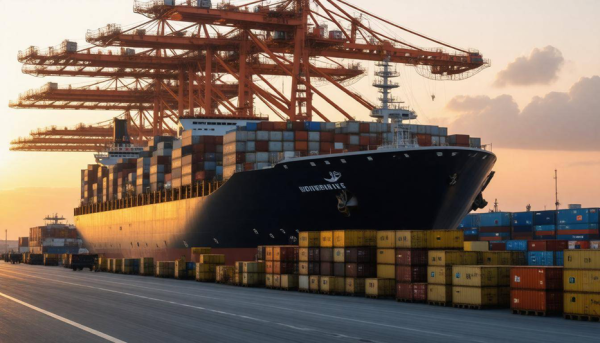
The introduction of tariffs under Trump's policies has the potential to shift the dynamics of vehicle pricing and transportation significantly. When a tariff is applied to imported vehicles or their components, manufacturers often pass on those increased costs to consumers. This can mean higher prices for new cars, diminishing consumer spending power and altering market demand.
Tariffs don't just make cars more expensive; they ripple outwards to impact various sectors reliant on those imported parts. For example, car shipping companies, already grappling with fluctuating fuel prices and logistics challenges, might feel compelled to increase their shipping rates to cover heightened operational costs stemming from tariffs. Any increase in component costs could strain more than just auto manufacturers.
A notable consequence of rising import costs could be a marked reduction in affordability for average consumers, leading them to reconsider their purchasing decisions.
Extended Costs
Understanding how tariffs impact consumers' wallets is vital. Increased production costs due to tariffs mean that companies need to consider various strategies in response. This might include adjustments in their supply chain choices or changing where they source components--often at the expense of affordability and availability for customers.
Below is a comparative table indicating how tariffs affected goods in 2018 and the projected impact on car shipping costs:
Steel faces an average tariff increase of 25%, resulting in a cost impact of 5% to 10%. Aluminum, with a 10% average tariff increase, sees a cost rise of 3% to 6%. Automotive parts experience an average tariff increase of 15%, leading to a cost impact ranging from 7% to 12%.
This upward pressure on prices likely means that the cost of car shipping services will increase as well. These adjustments may lead consumers to reevaluate whether they can afford a new vehicle or opt for used cars instead. As part of this process, car shipping companies will have no choice but to analyze their existing structures and find ways to absorb or redistribute coping with rising expenses while ensuring customer retention.
With this understanding, it's essential to examine how transportation regulations are set to evolve, as these changes will also have significant implications for the industry.
Adjustment in Transportation Regulations

Under the anticipated changes in the Trump administration's policies, various modifications to transportation regulations are predicted. These adjustments aren't merely bureaucratic updates; they have the potential to reshape the entire framework within which car shipping operates. For instance, as labor laws undergo revision, companies might find themselves reevaluating their employment practices--seeking a balance between maintaining efficient operations and ensuring worker rights are upheld.
Navigating these new regulations will require careful attention to detail. Stricter emission standards could compel shipping providers to upgrade or replace aging fleets with newer, eco-friendly alternatives. This shift not only meets regulatory demands but aligns with a growing consumer preference for sustainability. However, let's not sugarcoat it; these transitions can impose higher operational costs. Many fleet managers may feel pressured to raise service fees, impacting customers who already face rising logistics expenses.
It's worth noting that while stricter regulations typically mean increased costs, there may also be room for innovation and efficiency improvement.
Conversely, if labor regulations become more relaxed, it could significantly alter wage structures within the industry. Providers might see reduced overhead costs, thereby allowing them to offer more competitive pricing on shipping services. But this could come at a cost--potentially undermining worker welfare. When corners are cut in labor practices, it often leads to decreased job satisfaction and increased turnover rates, ultimately affecting service quality.
As we observe these fluctuations in regulatory frameworks, it's crucial for both businesses and consumers to remain informed about how such changes impact the wider transportation ecosystem. The landscape continues to evolve, demanding adaptability from all parties involved.
Automotive Industry Adaptations
The automotive industry has a remarkable history of agility when faced with changing regulations. This ability to pivot allows manufacturers not only to comply with new standards but also to remain competitive in a rapidly evolving market. With Trump's policies emphasizing domestic manufacturing and imposing tariffs on imported vehicles, companies are now reevaluating their strategies to navigate this challenging landscape.
One significant shift we may see is an increase in investments toward technology and automation. By embracing advanced tools and practices, manufacturers can offset higher labor costs while maintaining operational efficiency. For instance, investing in robotics not only streamlines production lines but also enhances precision, ultimately leading to quality improvements in vehicle production.
Elon Musk, CEO of Tesla, recently championed the need for future policies that inspire innovation rather than impose restrictions. He emphasized that innovation must be the cornerstone of domestic manufacturing if we are to compete globally.
Major players like General Motors are already looking at possibilities such as shifting a larger chunk of their production back to North America. This strategic move would enable them not only to comply with government guidelines but also reduce reliance on foreign-made parts, thus strengthening supply chains.
But these changes do not merely affect the corporations; they will eventually ripple down to consumers as well.
For consumers, there could be both positive and negative outcomes stemming from these adaptations. On one hand, increasing local production could lead to a more robust job market, potentially resulting in better employment opportunities and economic growth within communities. Additionally, buying domestically made products often translates into shorter shipping times and lower carbon footprints.
However, on the negative side, consumers might also encounter increased prices for vehicles as companies adjust their pricing strategies to account for new tariffs and higher operational costs. A recent survey indicated that almost 65% of automotive businesses expect shifts in shipping regulations due to government policies, which suggests some significant changes in logistics might follow.
As the automotive industry adapts and transforms under this new regulatory environment, it will pave the way for innovative practices that promote sustainability. This transformation not only benefits the economy but harmonizes environmental efforts with industrial progress--a vital consideration for both companies and consumers moving forward.
How well these adaptations unfold will influence consumer experiences significantly as the landscape evolves further. Let's explore how this affects individual consumers in terms of their choices and the implications of these industry changes.
Consumer Benefits and Drawbacks
The end consumer stands at the intersection of evolving trade policies and shifting market dynamics, which presents both advantages and drawbacks.
On one hand, enhanced service quality is a clear benefit that may arise from companies striving for greater efficiency in response to these industry changes. When businesses tighten their operations, they often find ways to streamline their processes, which can result in faster turnaround times on vehicle deliveries. Imagine having your new car shipped to you more swiftly than ever--who wouldn't appreciate that?
However, this pursuit of speed does come with trade-offs.
One significant downside to this acceleration is the potential for higher costs. With tariffs looming, operational expenses are likely to rise significantly, and those costs are generally passed down to consumers. This means that while you're enjoying quicker service, you might be paying more for it as well. As the average cost of a new vehicle today hovers around $49,000, even a slight increase could make purchasing a new car feel daunting for many buyers.
But it's not all bad news.
Another positive aspect is the potential for more domestic options on dealership lots. If manufacturers shift focus toward local production in response to import restrictions, you may find quicker availability of vehicles tailored to domestic preferences. This localized manufacturing can streamline the supply chain, enhancing the odds that the vehicles you want are readily accessible without long wait times. Picture this: fewer months of anticipation for your dream car because it's manufactured closer to home.
Yet again, with every silver lining comes a cloud.
The flip side of domestic production could mean limited variety in car options available for consumers. With increased scrutiny on imports, foreign vehicles might become harder to obtain, which may reduce selection at dealerships. For car enthusiasts or those with specific tastes who favor international models, this restriction could be particularly disappointing. More choices equate to better chances of finding the perfect fit for every individual driver; when options diminish, consumers may feel boxed in by the available selections.
Navigating the landscape shaped by tariffs and changes in manufacturing will require consumers to adapt their expectations regarding vehicle purchases significantly. It's crucial for buyers to stay informed about both opportunities and challenges in this changing market.
COMTEX_461131454/2891/2024-12-23T01:40:35
Serious News for Serious Traders! Try StreetInsider.com Premium Free!
You May Also Be Interested In
- Near Protocol News: Exchange Deposits Surge as NEAR and Remittix Enter Crucial Market Phases
- HSBC Continental Europe: Post Stabilisation Notice
- Swift Announces New Supervisory Board Members as It Continues to Reinforce the Cooperative and Accelerate Its Strategy
Create E-mail Alert Related Categories
Globe PR Wire, Press ReleasesRelated Entities
TeslaSign up for StreetInsider Free!
Receive full access to all new and archived articles, unlimited portfolio tracking, e-mail alerts, custom newswires and RSS feeds - and more!
