




What Homeowners Need to Know About Winter Siding Damage

FREE Breaking News Alerts from StreetInsider.com!
StreetInsider.com Top Tickers, 10/23/2026
- Nasdaq ticks up as tech stocks steady; SpaceX worries hit telecoms
- Meta's capital-raising plans expose a major weakness in the AI boom
- Brent crude jumps to highest since April on Houthi-Saudi attacks, UAE oil spill
- BofA flags further downside risk for stocks, yields and dollar
- SpaceX cell-site ambitions lift tower stocks and weigh on carriers
 Tweet
Tweet Share
Share E-mail
Ideal Siding Shares Expert Insights on Preventing Cracks, Moisture Intrusion, and Cold-Weather Deterioration
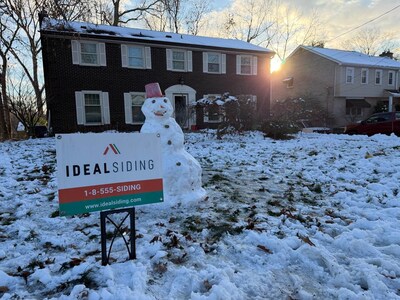
"Every year, we see homeowners dealing with cracked siding, hidden water damage, or cold drafts coming from behind aging panels," said Alex Filipuk, CEO of Ideal Siding. "Winter is one of the toughest seasons for a home's exterior, and small issues can escalate quickly if you don't know what to look for."
Common Winter Issues Homeowners Face
- Freeze-thaw damage is the most common problem. Moisture that works its way behind siding expands when it freezes, causing panels to crack, warp, or pull away from the home.
- Moisture intrusion becomes more frequent as snow and ice melt, especially around unsealed joints, older siding, or damaged caulking.
- Wood siding may show peeling paint, staining, soft spots, or early signs of rot.
- Vinyl siding can become brittle in extreme cold, making it more likely to crack on impact.
- Aluminum siding resists moisture but can dent easily from ice or wind-driven debris.
Warning Signs to Look For
- Cracks, warping, loose panels, or siding that rattles on windy days
- Peeling paint or dark stains, especially on wood siding
- Soft or spongy areas that indicate moisture absorption
- Interior cold drafts, unexpectedly high heating bills, or musty smells that may point to water trapped behind the siding
How to Protect Your Home This Winter
Once temperatures drop, Ideal Siding recommends keeping a close eye on the home's exterior. After major storms or heavy snowfall, quick visual checks can help spot new cracks, ice buildup, or snow pressing against the siding. Ensuring gutters remain clear throughout the season also prevents ice dams and keeps meltwater from flowing behind panels. Indoors, homeowners should monitor walls for new cold spots or moisture, which may signal hidden winter damage.
Even before winter arrives, a few simple steps can go a long way: resealing or repainting aging wood siding, repairing minor exterior gaps, trimming back branches that could break under snow, and cleaning the home's exterior to prevent moisture from getting trapped against the surface.
For homeowners considering upgrades, fiber cement and engineered wood siding remain the top performers in cold climates thanks to their durability and moisture resistance. High-quality vinyl can also do well when properly installed with the right expansion clearances.
"Installation is everything," added Filipuk. "Even the strongest siding materials fail in winter if they're installed without proper flashing, caulking, or spacing. A professional installation gives your home its best chance of staying protected all winter long."
The Bottom Line for Homeowners
Early detection is the key to avoiding expensive springtime repairs. Ideal Siding recommends a professional siding inspection before the dead of winter to identify issues that may be hidden beneath the surface. With the right preparation and expert installation, siding can withstand even the harshest winter weather and protect the home year-round.
With over 90 locations across
About Ideal Siding
Ideal Siding is
Media Contact:

 View original content to download multimedia:https://www.prnewswire.com/news-releases/what-homeowners-need-to-know-about-winter-siding-damage-302633807.html
SOURCE Ideal Siding
Serious News for Serious Traders! Try StreetInsider.com Premium Free!
You May Also Be Interested In
- More Than 20,000 Parents Nationwide Call For Consistent Youth Safeguards Online
- ProChile Connects New York Media and Industry Professionals with Chile's Food and Beverage Culture
- Solar Energy Expert John Hrudicka Explains How Solar Battery Backup Supports Home Energy Security in HelloNation
Create E-mail Alert Related Categories
PRNewswire, Press ReleasesSign up for StreetInsider Free!
Receive full access to all new and archived articles, unlimited portfolio tracking, e-mail alerts, custom newswires and RSS feeds - and more!
