




WSSA and NAICC Provide On-Farm Learning for Agency Representatives

FREE Breaking News Alerts from StreetInsider.com!
StreetInsider.com Top Tickers, 10/25/2026
- Wall Street closes lower to end rocky week
- Meta's capital-raising plans expose a major weakness in the AI boom
- Oil prices jump $3 on Houthi attacks, oil spill, highest settlement since April
- BofA flags further downside risk for stocks, yields and dollar
- SpaceX cell-site ambitions lift tower stocks and weigh on carriers
 Tweet
Tweet Share
Share E-mail
Tour highlights included Endangered Species Act and Integrated Pest Management considerations
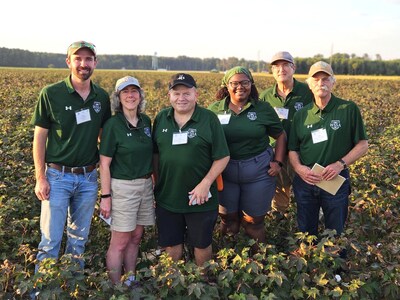
"Not every EPA, FWS, and NMFS representative has an extensive agricultural background," says
The tours were convened on
"The WSSA and NAICC discussed ways to make it easier for herbicide users to protect threatened and endangered species and their critical habitat," says Chism. "We also visited with area farmers who have been implementing IPM practices for decades. Weed management is a critical part of IPM, and without carrying out key components of IPM, such as crop rotation, use of cover crops, and select herbicide applications, our threatened and endangered species habitats would be in jeopardy."
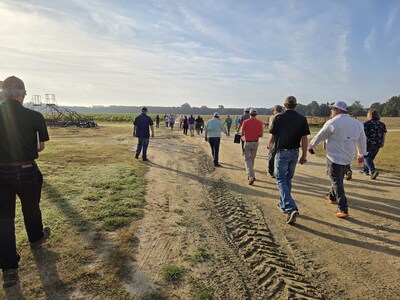
Tour participants were able to see cotton, peanut, and tobacco crops and their conservation and crop protection practices. Experts discussed the benefits of cover crops, the process of adding them to a farm management program, and the challenges and limitations that they may bring. Speakers also discussed the role that IPM plays in the ability to reduce pesticide use, improve soil health, reduce water runoff and improve biodiversity.
"We had a grower panel talking about ESA, and one highlight was the description of how bad farm economics are right now," points out Chism. "Adapting to complex new ESA requirements will cost money. Commodity prices are low, and crop input and land rental costs are high, so many farmers are barely getting by or losing money. With the current economic situation, it will take longer for farmers to adopt new conservation practices to protect ESA species."
Despite the challenges ahead, connecting the farmers, researchers, and federal regulators for discussions during the tour was a huge benefit from the event, says
Independent crop consultants advise farmers in areas such as agronomics, integrated pest management, on-farm research trials and endangered species protection and recovery, and they do so independent of sales. Both WSSA and NAICC work to implement scientific and technological advances to enhance environmental sustainability and profitability on farms across
To learn more about WSSA and its Endangered Species work, visit: https://wssa.net/endangered-species/. To learn more about WSSA's work on weeds and herbicide resistance management, visit: https://wssa.net/weed/wssa-fact-sheets/. For more information about NAICC, visit https://naicc.org/.
About the Weed Science Society of America
The Weed Science Society of America is a nonprofit scientific society, founded in 1956 to encourage and facilitate the development of knowledge concerning weeds and their impact on the environment. The Society promotes research, education and extension outreach activities related to weeds, provides science-based information to the public and policy makers, fosters awareness of weeds and their impact on managed and natural ecosystems, and strengthens cooperation among weed science organizations across the nation and around the world. For more information, visit www.wssa.net.

 View original content to download multimedia:https://www.prnewswire.com/news-releases/wssa-and-naicc-provide-on-farm-learning-for-agency-representatives-302576518.html
SOURCE Weed Science Society of America
Serious News for Serious Traders! Try StreetInsider.com Premium Free!
You May Also Be Interested In
- Xinhua Silk Road: North Bund Forum deepens consensus on win-win shipping cooperation
- OASE+ and Elsevier Agree Next-Phase Read and Publish Agreement to Expand Open Access Publishing in Japan
- From Vietnam National Brand to Regional Giant: SUNHOUSE Secures Second Consecutive APEA Corporate Excellence Award
Create E-mail Alert Related Categories
PRNewswire, Press ReleasesSign up for StreetInsider Free!
Receive full access to all new and archived articles, unlimited portfolio tracking, e-mail alerts, custom newswires and RSS feeds - and more!
