




Op-Ed: When Maternal Health Goes Wrong

FREE Breaking News Alerts from StreetInsider.com!
StreetInsider.com Top Tickers, 10/10/2026
- Wall Street posts weekly gains with earnings, inflation data on tap
- Oil prices settle higher as more production shut ahead of hurricane
- Apple cuts iPhone 18 Pro orders due to soft demand, Nikkei Asia reports
- UBS flags level in gold prices where dip buyers will likely emerge
- Telecom stocks tumble on SpaceX spectrum acquisition news
 Tweet
Tweet Share
Share E-mail
When birthing our babies, death is the equalizer for Black women giving birth by
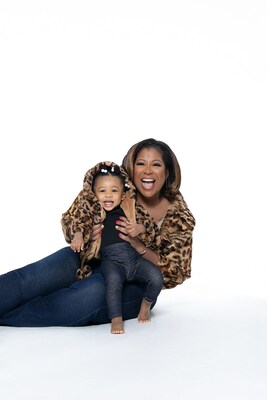
As a mature woman deciding to be a single mom, I knew that having my first child at age 49 via IVF (in vitro fertilization) would have its challenges: no husband and being self-employed running my own marketing agency for 24 years. I assumed
For Black women, whether they are from the inner city or highly educated with high net worths, maternal health is the great equalizer beyond income. It is full of racist-adjacent microaggressions affecting the quality of care received and leading to worse outcomes. It is manifested in the lack of diversity of Black-owned agencies awarded federal contracts for messaging health disparities that impact people of color, particularly Black and Brown communities. Cultural competency starts with the federal government being courageous enough to hire minority-owned agencies to message, market, and disseminate critical components to Black and Brown communities and healthcare providers.
I knew the stats and was vigilant. I traveled, on average, 100 miles weekly between states and practices to ensure I was being heard, and while none of my physicians were people of color, they listened to my concerns and responded. I worked with three doctors to secure a successful pregnancy, yet despite my commitment and access, I still delivered at 34 gestational weeks, developed preeclampsia, and had to have an emergency C-section. With a toddler in the neonatal intensive unit and lost weeks of bonding with my infant, I consider myself one of the lucky ones. If it were not for the GW Hospital and the team of engaged doctors who noticed my daughter's low heartbeat during a routine visit 6 weeks before giving birth, I could also have been a statistic. I was blessed.
The disconnected would have you believe that inequities in maternal health are about the mother and are solely influenced by factors such as socioeconomic status, education, geographic location, and ethnicity, but we now know that not to be true.
Organizations such as Health and Human Services, the Center for Disease Control, and the National Institute of Health, Health Resources, and Services Administration have much work to do. Currently working with MedStar Health on health equity and messaging initiatives, Isom Global Strategies (IGS), my company, knows the impact of messaging the right way to shift outcomes to Black and Brown communications. Communication plays an important role in both patient and physician education and practice. We need to message the right way with the right words and the right solutions for us. That messaging is also being hindered by organizations and their lack of diversity in their outreach efforts. I can't tell you how often we evaluate messaging by organizations that clearly have no diversity on their teams. There is a direct connection between a lack of diversity in outreach and education and health disparities.
The difficulties of the COVID-19 pandemic exacerbated already dire challenges to maternal health services due to healthcare system strains, reduced access to care, and increased economic pressure on families. We need to recruit biology students at Historically Black Colleges and Universities (HBCU), establish birthing facilities (as opposed to hospitals) at every stage of pregnancy for mental and physical wellness, and implement a national initiative for recruiting doulas and midwives. We should offer wraparound services for all incomes: low-income aids for how to access local resource services, and counseling for even high net worth individuals. It's been two years since having my daughter, and I'm just starting to come out of a serious postpartum depression, about which I had known nothing.
By increasing access to skilled birth attendants, expanding access to family planning and reproductive health services, and addressing social determinants of health access to high-quality care before, during, and after childbirth, we can bring about change and reduce maternal mortality and morbidity in
Having a child at any age, economic level, or location should be a celebration, not a crisis, but as of late, abortion and a woman's right to choose have been at the forefront of the election cycle. If only we could care about the Black women and babies living as much as the unborn; I'm afraid we have a long way to go.
About the author:
About Isom Global Strategies:
Isom Global Strategies (IGS) is a strategic communications and program management firm specializing in creating campaigns to improve the lives of Black and Brown communities in various sectors like healthcare, entrepreneurship, education, technology and innovation, and military. IGS has primed and successfully executed over 109 government contracts and task orders. IGS' work is driven by a belief that the power of informed communication can change lives and promote equality among all people.

 View original content to download multimedia:https://www.prnewswire.com/news-releases/op-ed-when-maternal-health-goes-wrong-302118512.html
SOURCE Isom Global Strategies
Serious News for Serious Traders! Try StreetInsider.com Premium Free!
You May Also Be Interested In
- CenterPoint Energy Sending 355 Mutual Aid Workers to Help Restore Power in Areas Impacted by Hurricane Isaias
- Quzhou commemorates 2,577th anniversary of Confucius' birth
- MEGAN FOX BECOMES CO-OWNER OF SUBS.COM AND LAUNCHES OFFICIAL PAGE
Create E-mail Alert Related Categories
PRNewswire, Press ReleasesSign up for StreetInsider Free!
Receive full access to all new and archived articles, unlimited portfolio tracking, e-mail alerts, custom newswires and RSS feeds - and more!
