




NPCA Finds Air Pollution Harms 97% of National Parks

FREE Breaking News Alerts from StreetInsider.com!
StreetInsider.com Top Tickers, 10/11/2026
- Wall Street posts weekly gains with earnings, inflation data on tap
- Oil prices settle higher as more production shut ahead of hurricane
- Apple cuts iPhone 18 Pro orders due to soft demand, Nikkei Asia reports
- UBS flags level in gold prices where dip buyers will likely emerge
- Telecom stocks tumble on SpaceX spectrum acquisition news
 Tweet
Tweet Share
Share E-mail
Parks group releases 2024 report underscoring air pollution, climate threats and need for action
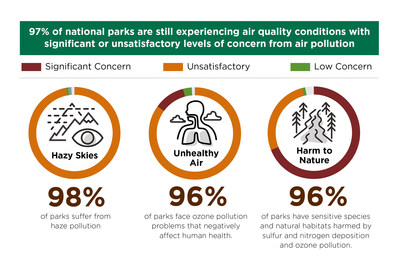
Four high risk climate threats, also assessed in the report, emphasize the urgent situation that parks face serious and irreparable consequences from rising global temperatures. Responding to this alarming reality, the report also outlines ways NPCA has led efforts to urge the implementation of time-tested, effective programs like the Regional
"Our new Polluted Parks report showcases that while we've made some progress toward cleaner air, the job is far from done to protect nature, scenic views, our climate and human health. Visitors to national parks expect clean air and clear skies whether they are visiting stunning wilderness landscapes or urban monuments.
"The trouble with air pollution is that it knows no bounds and harms the places we love and communities which rely on them for clean air and a healthy climate," says
The report highlights that while all national parks are struggling with the effects of a rapidly changing climate, 57% of national parks face high risk threats from specific consequences of climate change, including wildfires, droughts, sea-level rise, and invasive species. As iconic landscapes standing on the frontlines of the climate crisis, NPCA emphasizes the urgent need to cut the air pollution driving climate change and safeguard national parks for future generations.
NPCA takes a leading role in addressing these challenges, not only focusing on risks to air quality but also tackling the various climate risks identified in the report. In fact, NPCA's leadership has resulted in the reduction of 1.4 million tons of visibility-impairing pollution reduced, the closure of cleanup of over 150 park-polluting coal plants and the elimination of 171 million metric tons of climate pollution. Still, NPCA remains dedicated to its collaborative efforts across state and federal agencies to ensure a healthier and sustainable future for these invaluable national parks. Data, like that highlighted in the Polluted Parks report, demonstrates the urgent need for swift action to curb pollution and allow these treasured places to recover from decades of industrial pollution.
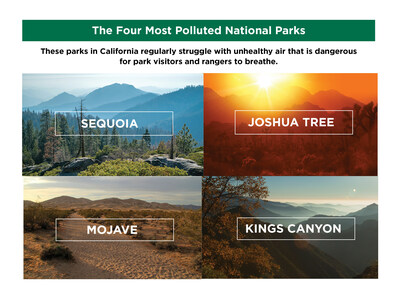
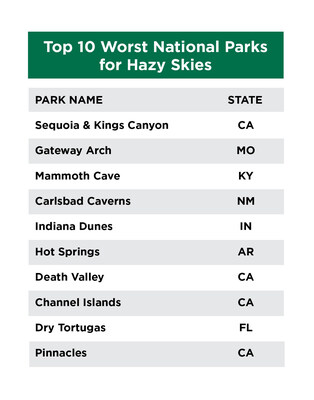
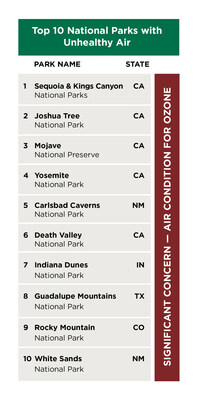
Ozone, one of the most pervasive pollutants in parks, not only impairs scenic beauty but also poses a direct threat to human and wildlife health. It makes breathing more difficult and puts individuals with asthma or respiratory illnesses at significant risk. The impact is felt across the nation, from
The full report and the interactive web platform showcasing all air and climate data are available for download and exploration here.
About the National Parks Conservation Association
Since 1919, the nonpartisan National Parks Conservation Association has been the leading voice in safeguarding our national parks. NPCA and its more than 1.6 million members and supporters work together to protect and preserve our nation's most iconic and inspirational places for future generations. For more information, visit www.npca.org.
 View original content to download multimedia:https://www.prnewswire.com/news-releases/npca-finds-air-pollution-harms-97-of-national-parks-302078564.html
SOURCE National Parks Conservation Association.
Serious News for Serious Traders! Try StreetInsider.com Premium Free!
You May Also Be Interested In
- AnX Robotica Highlights Documented ProScan AI Workflow Performance from Submission to FDA
- STARMUS VIII Announces Two Young Changemakers as Junior Medal Winners
- Mediacom Mobilizes Recovery Efforts Following Hurricane Isaias
Create E-mail Alert Related Categories
PRNewswire, Press ReleasesSign up for StreetInsider Free!
Receive full access to all new and archived articles, unlimited portfolio tracking, e-mail alerts, custom newswires and RSS feeds - and more!
