




INTIMINA Shares What All Women Need to Know About Pelvic Organ Prolapse

FREE Breaking News Alerts from StreetInsider.com!
StreetInsider.com Top Tickers, 10/9/2026
- Wall Street posts weekly gains with earnings, inflation data on tap
- Oil prices settle higher as more production shut ahead of hurricane
- Apple cuts iPhone 18 Pro orders due to soft demand, Nikkei Asia reports
- UBS flags level in gold prices where dip buyers will likely emerge
- Telecom stocks tumble on SpaceX spectrum acquisition news
 Tweet
Tweet Share
Share E-mail
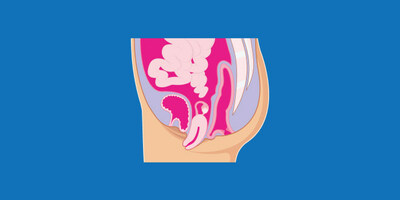
Pelvic organ prolapse affects over 50% of people with a uterus in their lifetime. INTIMINA and dr
Who is at risk?
The support structures for the pelvic organs can be compromised by acute trauma, such as vaginal childbirth, or by long-term pressure-management issues, as seen in people with chronic constipation. The most significant risk factors for developing POP are vaginal childbirth, family history, chronic constipation, chronic cough, and higher BMI.
"Age is also identified as a risk for developing prolapse, with a higher likelihood in perimenopause and menopause. Symptoms of prolapse vary depending on the organ affected but commonly include a sensation of heaviness in the vagina, a bulge present in the vagina, urinary or faecal incontinence, incomplete bladder or bowel emptying and lower back or groin pain", says
Treatment
Treatment options vary and depend greatly on the severity of the prolapse and its impact on the patient's quality of life.
Learning how to manage intra-abdominal pressure involves improving posture, correcting lifting strategies, reducing habits of bearing down or breath-holding, and teaching proper core engagement while coughing and sneezing.
Strengthening exercises a pelvic health therapist provides will be unique to the individual's needs. Some patients need to improve their pelvic floor strength and coordination; others need to prioritise strength in the abdominals and hips. Kegel exercises have not been shown to improve the anatomical severity of prolapse but can help with the management of symptoms, including stress incontinence.5, 6, 7, 8, 9 Isolated kegel contractions help increase pelvic floor muscle strength along with strengthening surrounding muscles to provide support for the pelvic floor further. A pelvic health therapist should thoroughly examine individuals with prolapse before beginning a pelvic floor muscle strengthening program. This is because kegel exercises are not necessary for some people with prolapse. Furthermore, it is important to have guidance on the proper performance of pelvic floor muscle contractions.
Another treatment option for pelvic organ prolapse is using a pessary. A pessary is a medical device worn inside the vagina to support the pelvic organs. Pessaries can be properly sized and managed by a urogynecologist, gynaecologist, and some pelvic health therapists. Pessaries come in various shapes and sizes to achieve the best fit and support for a person's unique anatomy. Finding the best pessary can take a few trials. Some pessaries can be left in for months, while others need to be removed daily. Most people can learn to manage a pessary on their own at home. Pessaries are excellent long-term treatment options for those looking to avoid or prolong surgery.
Studies have demonstrated that pessaries can improve prolapse-related symptoms, pelvic floor muscular support, and potentially improve the stage or severity of the prolapse. While pessaries are specifically fitted for the individual, some over-the-counter products work similarly and may be more easily accessible. "
Estrogen
Another treatment option for managing the symptoms of prolapse is the use of topical vaginal estrogen. "In perimenopause and menopause, estrogen significantly declines. Estrogen is responsible for many bodily functions, including vaginal blood flow and natural tissue lubrication. A similar effect happens as long as a person is lactating after childbirth. This lack of estrogen creates an environment in the vagina where prolapse symptoms are more noticeable due to dryness and a loss of tissue elasticity. Topical vaginal estrogen can be used to replenish the vaginal tissues without affecting the body as a whole. By reducing dryness and improving blood flow to the muscles and other soft tissues, prolapse symptoms can improve significantly", says
Surgery
Surgery is another treatment option for prolapse. Surgical intervention will vary depending on many factors, including the prolapse's severity, the patient's age, which organs are affected, and co-morbidities such as a genetic hypermobility disorder.
"Prolapse is a common diagnosis, but it does not mean that symptoms associated with it are "normal." Many people falsely assume that their lives must change drastically following a POP diagnosis. On the contrary, many people continue to live highly active lives with well-managed symptoms. Many younger women go on to have more children without worsening prolapse and with good recovery postpartum. The key to living a fulfilled life with prolapse is finding the best tools for your unique body. For some individuals, this means closely managing constipation and weight gain; for others, it might mean regular full-body and pelvic floor muscle strengthening. The diagnosis of prolapse does not need to interfere with a person's quality of life, as there are excellent medical providers to help navigate the many treatment options available", concludes
Photo - https://mma.prnewswire.com/media/2389074/Pelvic_organ_prolapse.jpg
Logo - https://mma.prnewswire.com/media/2018148/INTIMINA_Logo.jpg

 View original content to download multimedia:https://www.prnewswire.com/news-releases/intimina-shares-what-all-women-need-to-know-about-pelvic-organ-prolapse-302118684.html
SOURCE INTIMINA
Serious News for Serious Traders! Try StreetInsider.com Premium Free!
You May Also Be Interested In
- Seminole Hard Rock Hotel & Casino Hollywood Unveils 'Zona de Fuego' Florida's First Fully Integrated Latin Gaming & Entertainment Experience
- MannKind Data at HFSA 2026 Highlights New Evidence Supporting Furoscix ReadyFlow™ for the Outpatient Management of Edema in Heart Failure (HF) and Chronic Kidney Disease (CKD)
- Claim Clarity Expands AI Platform to Support Faster and More Informed Compensation Reviews for Workers
Create E-mail Alert Related Categories
PRNewswire, Press ReleasesSign up for StreetInsider Free!
Receive full access to all new and archived articles, unlimited portfolio tracking, e-mail alerts, custom newswires and RSS feeds - and more!
