




Food Safety While Eating Outdoors

FREE Breaking News Alerts from StreetInsider.com!
StreetInsider.com Top Tickers, 10/12/2026
- Wall Street posts weekly gains with earnings, inflation data on tap
- Oil prices settle higher as more production shut ahead of hurricane
- Apple cuts iPhone 18 Pro orders due to soft demand, Nikkei Asia reports
- UBS flags level in gold prices where dip buyers will likely emerge
- Telecom stocks tumble on SpaceX spectrum acquisition news
 Tweet
Tweet Share
Share E-mail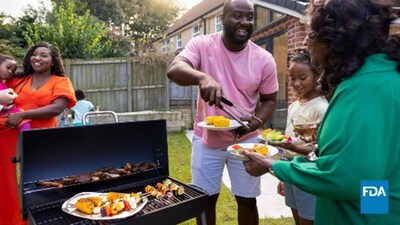
Before your picnic or barbecue
- Defrost meat, poultry, and seafood separately in the refrigerator. If you thaw by completely submerging under running cold water or defrost in the microwave, cook the food immediately afterward.
- Never reuse marinade that touched raw foods unless you boil it first. Instead, you can set some of the marinade aside before marinating food to use for sauce later.
- Marinate foods in the fridge, not the countertop.
- Wash all produce before eating, even if you plan to peel it. The knife you use to peel it can spread bacteria into the part you eat. Produce that is pre-cut or peeled should be refrigerated or kept on ice to maintain quality and safety.
- If your picnic site doesn't offer clean water access, bring water and soap or pack moist disposable towelettes for cleaning surfaces and hands.
- Don't forget to pack a food thermometer!
Packing coolers
- Place food from the refrigerator directly into an insulated cooler immediately before leaving home.
- Use ice or ice packs to keep your cooler at 40 °F or below.
- Pack raw meat, poultry, and seafood in a separate cooler, or wrap it securely and store at the bottom of the cooler where the juices can't drip onto other foods.
- Place beverages in a separate cooler; this will offer easy drink access while keeping perishable food coolers closed.
- Minimize the time coolers are held in the trunk of the car, as the trunk can get very hot. Bacteria can multiply rapidly at high temperatures. Once at the picnic site, keep coolers out of direct sun, keep food in coolers until serving time, and avoid opening the lids often.
Grilling
- Have clean utensils and platters available. Cook meat, poultry, and seafood to the right temperatures ─ use a food thermometer to be sure (see FDA's Safe Minimum Cooking Temperatures Chart). Keep cooked meats hot at 140 °F or warmer until serving time — set them to the side of the grill rack to keep them hot.
- When removing foods from the grill, place them on a clean platter. Never use the same platter and utensils for cooked food that you used for raw meat, poultry, or seafood.
Time and temperature
Don't let hot or cold food sit in the "Danger Zone" (between 40 °F and 140 °F) for more than 2 hours – or 1 hour if the outdoor temperature is above 90 °F. If they do, throw them away.
Learn more about how you can keep your food safe while eating outdoors:
- https://www.fda.gov/food/buy-store-serve-safe-food/handling-food-safely-while-eating-outdoors
- https://www.fda.gov/consumers/consumer-updates/barbecue-basics-tips-prevent-foodborne-illness
Contact: Media: 1-301-796-4540 Consumers: 1-888-SAFEFOOD (toll free)

 View original content to download multimedia:https://www.prnewswire.com/news-releases/food-safety-while-eating-outdoors-302204379.html
SOURCE U.S. Food and Drug Administration
Serious News for Serious Traders! Try StreetInsider.com Premium Free!
You May Also Be Interested In
- Meet Dashixia's Young Builders as the World's Tallest Concrete-Faced Sand-Gravel Dam Connects to Power Grid
- FLSmidth: Transactions under share buy-back programme
- Elite women cyclists gear up for three-stage Tour of Chongming Island
Create E-mail Alert Related Categories
PRNewswire, Press ReleasesRelated Entities
FDASign up for StreetInsider Free!
Receive full access to all new and archived articles, unlimited portfolio tracking, e-mail alerts, custom newswires and RSS feeds - and more!
