




Anatool Launches to Improve Recognition and Treatment of Anaphylaxis

FREE Breaking News Alerts from StreetInsider.com!
StreetInsider.com Top Tickers, 10/23/2026
- S&P 500, Nasdaq end sharply lower as revived AI doubts ignite tech selloff
- Meta’s new Class C stock to keep Zuckerberg in California, fund AI spending spree
- Oil hits five-month high as Houthi attacks stoke supply fears
- Meta beats Q3 estimates, approves new nonvoting share class as AI spending surges
- Tesla stock up as automotive gross margin improves, free cash flow turns positive
 Tweet
Tweet Share
Share E-mail
New clinical support tool translates international consensus recommendations into real-time guidance for healthcare professionals
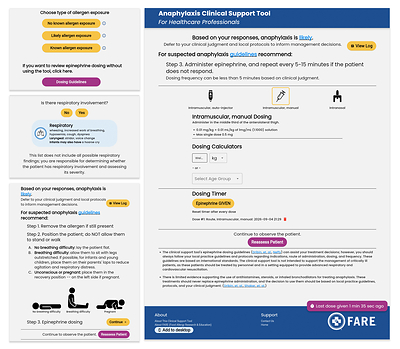
The tool was developed by FARE (Food Allergy Research & Education) in collaboration with
The tool is based on recommendations from a landmark international consensus report on anaphylaxis published in The Journal of Allergy and Clinical Immunology. Dribin co-chaired the work with
"Anaphylaxis is a medical emergency, yet many patients do not receive epinephrine promptly, even when they meet criteria for treatment," Dribin says. "One reason is that clinicians and healthcare systems have historically relied on differing definitions and treatment approaches. The international consensus report provides a common framework, and Anatool brings that framework directly to clinicians at the bedside. Our goal is simple: help ensure every patient with anaphylaxis receives timely, evidence-based care."
The tool was created to support emergency physicians, paramedics, nurses, allergists, urgent care clinicians, and other providers who may encounter patients experiencing severe allergic reactions. Anatool incorporates updated diagnostic criteria and provides practical guidance on the use of intramuscular epinephrine and intranasal epinephrine (neffy®), the first FDA-approved needle-free epinephrine treatment for anaphylaxis.
A key feature of Anatool is its emphasis on pediatric care. The tool is the first to incorporate infant-specific findings into anaphylaxis assessment and management, addressing a longstanding gap in clinical resources.
"Recognizing anaphylaxis in infants and young children can be particularly challenging because symptoms may present differently than they do in older children and adults," Dribin says. "By including infant-specific criteria, Anatool provides much-needed guidance for providers who do not routinely care for pediatric patients, helping them make confident treatment decisions when minutes matter."
The launch of Anatool comes amid growing recognition that opportunities remain to improve anaphylaxis care. Research led by Dribin and colleagues has demonstrated that epinephrine is often underused before patients arrive at the hospital. Additional work suggests that many children who receive epinephrine can be safely discharged sooner than current practice patterns often allow, potentially reducing unnecessary observation time while maintaining patient safety.
Anatool was among several new resources announced by FARE during the 2026 American Academy of Allergy, Asthma & Immunology (AAAAI) Annual Meeting.
"Food allergy affects 1 in 10 adults in the
Healthcare professionals can access Anatool at https://anatool.foodallergy.org/.

 View original content to download multimedia:https://www.prnewswire.com/news-releases/anatool-launches-to-improve-recognition-and-treatment-of-anaphylaxis-302874176.html
SOURCE Cincinnati Children's Hospital Medical Center
Serious News for Serious Traders! Try StreetInsider.com Premium Free!
You May Also Be Interested In
- GeeLark Expands Cloud Phone Workflows with API, CLI, and MCP Support
- JinkoSolar Completes Name Change to Jinko Holdings Limited
- Financial Report July - September 2026
Create E-mail Alert Related Categories
PRNewswire, Press ReleasesRelated Entities
Carl Icahn, FDASign up for StreetInsider Free!
Receive full access to all new and archived articles, unlimited portfolio tracking, e-mail alerts, custom newswires and RSS feeds - and more!
