




VIDEOGRAPHY: CAPTURING MOMENTS, CRAFTING STORIES

FREE Breaking News Alerts from StreetInsider.com!
StreetInsider.com Top Tickers, 10/14/2026
- Wall St slides as hot CPI data fuels rate-hike bets; chips, banks weigh
- Oil prices steady after gains on Iran's new tactics to target tankers
- U.S. consumer prices rise by 3.7% year-on-year in September
- Bank of America stock falls on earnings miss
- Netflix cuts 1,000 jobs as streaming giant seeks to boost engagement
 Tweet
Tweet Share
Share E-mail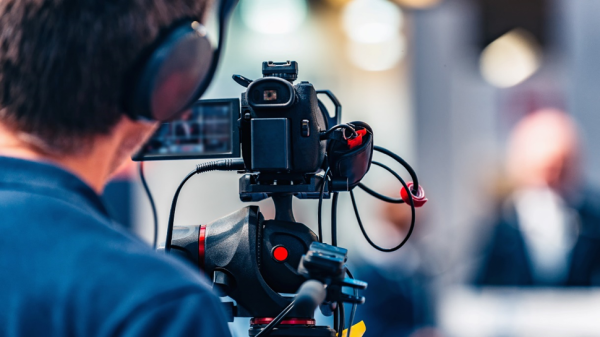
You've probably heard about the magic of video for businesses--how it captures attention, tells stories, and sells products in ways that text and images alone can't. But when it comes to commercial videography, the line between videography and filmmaking often gets blurred. Is there a difference? And what makes commercial videography such a valuable tool for businesses today? Let's break down its essentials, and find out why it's more than just holding a camera.
WHAT IS THE DIFFERENCE BETWEEN FILMMAKING AND VIDEOGRAPHY?
While filmmaking and videography might seem like two sides of the same coin, they serve different purposes and follow different approaches.
Filmmaking is a larger-scale production. Think of feature-length movies or documentaries--big projects with complex narratives, multiple cameras, crews, and months (sometimes years) of pre-and post-production work. Filmmakers are storytellers who create cinematic experiences for entertainment, art, or education. They typically use extensive sets, actors, and detailed scripts to create a fully fleshed-out world.
On the other hand, videography is more about capturing real-life events, promotional content, or informative videos with a much quicker turnaround time. Commercial videography, specifically, is about creating videos that help businesses promote their products, engage their audiences, or highlight key services. Videographers often work with smaller crews or even solo, focusing on capturing the moment or creating impactful messaging within a shorter timeframe.
While both fields use cameras and editing tools, videography tends to focus on more practical and immediate content needs, especially for businesses. Instead of cinematic flair, it's about delivering a clear message, with polished visuals, in an efficient and effective manner.
What Are the Different Types of Videography?
Videography is far from a one-size-fits-all service. Depending on the goal, there are several different types of videography you'll come across, especially in the commercial world.
- Corporate Videography: These videos often revolve around the internal and external communication needs of businesses. They can include training videos for employees, promotional videos, or behind-the-scenes looks at how a company operates. The purpose is to present the business in a professional and engaging way, making it easier for stakeholders to connect with the brand.
- Event Videography: Whether it's a corporate event, conference, or even a private function like a wedding, event videography is all about capturing the energy and highlights of the occasion. For businesses, it can involve creating recap videos of a product launch or documenting a successful industry event for future promotions.
- Product Videography: Ever watched a product demo or launch video and felt more confident about a purchase? That's the power of product videography. It highlights the key features and benefits of a product in action, helping potential customers visualize how it works or fits into their lives. This is particularly impactful for eCommerce and tech businesses, where demonstrating a product's capabilities visually is far more effective than just reading about it. Commercial videography shines here by creating engaging, high-quality product videos that not only inform but also convert viewers into buyers.
- Promotional Videography: A promotional video is one of the most versatile tools in commercial videography. It can be used for product launches, marketing campaigns, or even social media ads. These videos are crafted to deliver quick and engaging messaging to attract potential customers, making them highly shareable.
- Testimonial Videography: Customer testimonials can do wonders for a company's credibility, and testimonial videography brings those words to life. These videos usually feature satisfied customers sharing their experiences with the company's product or service, adding a human touch to business promotions.
Each type of videography serves a specific purpose, and the choice of which one to use depends on the goals of the business. Whether it's raising awareness, building trust, or showcasing expertise, videography allows businesses to connect with their audiences in authentic ways.
WHAT IS INCLUDED IN VIDEOGRAPHY?
Videography, especially in the commercial world, is more than just pointing a camera and pressing record. It's a full-service production that typically involves several key stages:
- Pre-production: This is the planning phase, where the goals of the video are set, the script is written, and the storyboard is created. For commercial videography, this stage might include discussions about the target audience, the brand's tone, and how the video will align with marketing objectives.
- Filming: The actual production phase where videographers capture the content. This can take place in a studio, on location, or even remotely depending on the video's needs. Videographers make sure to use lighting, framing, and composition that align with the brand's message.
- Post-production: Editing is where the magic happens. After the raw footage is captured, videographers will piece together the video, adding in special effects, transitions, music, and voiceovers to create a polished final product. Color grading and sound mixing are also essential steps to make sure the video looks professional.
- Distribution: Once the video is completed, it needs to be distributed in the right way to reach the intended audience. This could involve sharing the video on the company's website, social media platforms, or sending it directly to clients. Distribution is just as important as production because even the most well-crafted video won't do much if no one sees it.
In short, videography is a multi-step process, and videographers wear many hats--from creative director to camera operator to editor--to ensure the final product meets the client's needs.
WHAT ARE THE BENEFITS OF CREATING VIDEOGRAPHY?
Why are businesses pouring so much energy into videography? It's simple: video is one of the most engaging forms of content, and it consistently outperforms other forms of media in terms of reach and engagement. Here are some of the biggest benefits of creating commercial videography:
- Boosts Engagement: Videos have the power to capture attention quickly and hold it for longer. Whether it's a short product demo or a longer explainer video, people are more likely to watch and engage with video content compared to text or images.
- Increases Conversion Rates: Videos give businesses the ability to show off their products or services in a dynamic way. This can help potential customers visualize how the product works, which often leads to higher conversion rates. A well-crafted promotional video can persuade viewers to take the next step--whether that's making a purchase or signing up for a service.
- Enhances SEO: Search engines love video content. Embedding videos on a business's website can improve its search rankings, making it easier for potential customers to find the company online. Plus, videos are highly shareable, helping to boost the reach of a brand across different platforms.
- Builds Trust and Credibility: A well-produced video gives a business a professional edge. Testimonial videos, for example, add a personal touch, while company overviews can humanize a brand. Videos help build a relationship with the audience, making them feel more connected to the company.
IS VIDEOGRAPHY A GOOD CAREER?
If you're interested in video production and storytelling but aren't looking to go down the Hollywood filmmaking route, videography could be an excellent career choice. It's a versatile and growing field, especially with the rising demand for video content in the digital age.
Videographers can work in a wide range of industries--from weddings and events to corporate promotions and even social media content creation. The job requires creativity, technical skills, and the ability to adapt to different types of projects. Whether you're filming an interview, a product demo, or a live event, no two days are the same.
As businesses continue to invest in video content to stay competitive, the demand for skilled videographers will only increase. Many videographers are self-employed or work on a freelance basis, giving them the flexibility to take on projects they're passionate about. Others may find stable roles working in-house for companies that need ongoing video content.
In terms of income, videography can be quite rewarding, particularly as your skills and reputation grow. The combination of creativity and business practicality makes it a fulfilling and sustainable career option for those who love working behind the camera.
CONCLUSION
In today's rapidly evolving digital landscape, the way businesses communicate is evolving, and video is at the forefront of that change. Commercial videography offers a powerful tool for companies to tell their stories, connect with audiences, and stand out from the competition. Whether it's a product launch, a customer testimonial, or a brand overview, the right video can make all the difference.
For those looking to enter a dynamic and growing field, videography offers a mix of creativity and business acumen that's hard to beat. As video continues to dominate online content, now is the perfect time to embrace the power of commercial videography and make it an integral part of your business strategy.
COMTEX_460109035/2891/2024-11-23T06:40:46
Serious News for Serious Traders! Try StreetInsider.com Premium Free!
You May Also Be Interested In
- JACKSON COUNTY SHERIFF'S OFFICE WORKERS VOTE OVERWHELMINGLY TO JOIN TEAMSTERS
- Gamingtec Adds Multicurrency Feature for Affiliate Commissions to Its Turnkey iGaming Platform
- Litecoin Price Prediction: LTC Trades Near $62, but Remittix Has the Catalyst Buyers Are Watching
Create E-mail Alert Related Categories
Globe PR Wire, Press ReleasesSign up for StreetInsider Free!
Receive full access to all new and archived articles, unlimited portfolio tracking, e-mail alerts, custom newswires and RSS feeds - and more!
