



The Connection Between Roots and Tree Stability
 Tweet
Tweet Share
Share E-mail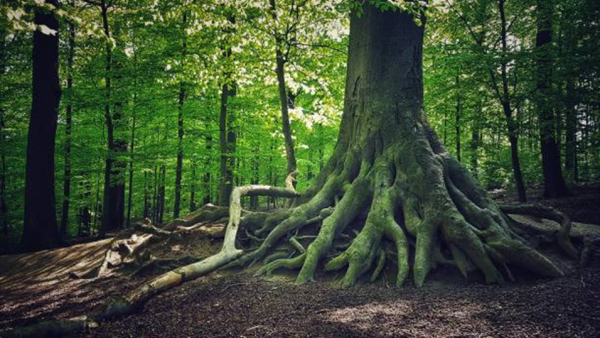
Trees are magnificent natural structures, but their true strength lies beneath the surface. While their towering branches and lush canopies capture attention, their stability depends entirely on their root systems. Healthy, well-developed roots anchor trees securely into the ground, providing structural support and helping them withstand environmental stressors like wind, rain, and soil shifts. Understanding the intricate connection between roots and tree stability is crucial for homeowners, property managers, and anyone invested in preserving the beauty and safety of their landscape.
The Role of Tree Roots in Stability
A tree's root system serves two primary functions: support and sustenance. Structurally, roots act as underground stabilizers that prevent the tree from toppling due to external forces. Nutritionally, they absorb water and essential minerals from the soil, fueling the tree's growth and resilience. These functions are deeply interconnected, because unhealthy or compromised roots lead to weaker, more vulnerable trees. Roots extend far beyond the visible base of the tree, often spreading two to three times the width of the canopy. They intertwine with soil particles, creating a vast network that holds the ground together and mitigates erosion. Without a strong root system, even the most mature trees can become unstable and pose risks to nearby structures and people.
For a deeper dive into the importance of healthy root systems and their role in soil health, explore this insightful article from UC ANR on maximizing living roots and minimizing soil disturbance.
Factors That Affect Root Strength and Tree Stability
Several factors influence the health and stability of a tree's root system. Addressing these factors can mean the difference between a thriving, resilient tree and one that's at risk of falling.
Soil Conditions
Soil type and quality significantly impact root development. Loose, well-aerated soil allows roots to expand and take hold, while compacted or waterlogged soil restricts growth and reduces oxygen availability. Trees planted in overly compacted soil may struggle to establish deep, stable roots, making them more susceptible to failure during storms.
Root Damage from Construction or Landscaping
Construction activities like trenching, paving, or even aggressive lawn maintenance can sever or damage roots, compromising a tree's stability. When roots are cut or disturbed, the tree loses a portion of its support system, making it more likely to lean or fall. Even seemingly minor disruptions can have long-term consequences on a tree's ability to remain anchored. Click here to learn more about how expert tree care from Columbia Tree & Lawn Service in Elkridge, MD can help mitigate root damage and preserve stability.
Improper Planting Depth
Planting depth plays a crucial role in root development. Trees planted too deeply may struggle to establish strong root systems, while those planted too shallowly may lack sufficient anchorage. The ideal planting depth ensures the root flare - the area where the trunk transitions into roots - is visible above ground, allowing for proper oxygen exchange and structural support.
Root Rot and Fungal Infections
Diseases such as root rot - caused by excess moisture and fungal infections - weaken the root system and compromise the tree's ability to stay upright. Signs of root decay include yellowing leaves, stunted growth, and fungal growth at the base of the tree. Preventing waterlogging and prioritizing proper drainage can help mitigate these risks.
Environmental Stressors
Strong winds, heavy rainfall, and soil erosion can stress a tree's root system. Trees that lack deep or widespread roots may be more vulnerable to uprooting during storms. Additionally, sudden changes in soil conditions, such as prolonged drought or flooding, can weaken roots and make them less effective in anchoring the tree.
Recognizing Signs of Root and Stability Issues
Early detection of root-related stability issues can prevent costly damages and potential hazards. Some warning signs to watch for include:
Leaning Trees - A tree that suddenly starts to lean may indicate root damage or instability.
Exposed Roots - Uprooted or exposed roots may suggest soil erosion or structural weakness.
Cracks in Soil or Pavement - Shifting soil and cracks in surrounding hardscapes can be signs of root movement.
Canopy Dieback - Sections of the tree losing leaves or failing to thrive may point to root stress or disease.
Strengthening Root Systems for Long-Term Tree Stability
Maintaining a healthy root system is essential for tree stability. Here are some best practices to keep trees strong and resilient:
Proper Mulching - Applying mulch around the base of the tree helps retain soil moisture, regulate temperature, and reduce compaction.
Avoid Soil Compaction - Limiting foot traffic and heavy machinery around trees prevents root suffocation and encourages healthy growth.
Routine Tree Inspections - Regular assessments by a certified arborist can identify early signs of root stress and recommend proactive measures.
Strategic Watering - Deep, infrequent watering encourages roots to grow deeper into the soil, enhancing stability.
Fertilization and Soil Conditioning - Providing essential nutrients supports root development and overall tree health.
Expert Care for Lasting Tree Health
At Columbia Tree & Lawn Service, we understand that a tree's foundation begins with its roots. Our expert arborists specialize in assessing and enhancing root health, ensuring your trees remain strong and stable for years to come. Healthy roots mean stable trees, and stable trees mean a safer environment. Don't wait until a problem arises - take action today to safeguard your trees and landscape. Contact Columbia Tree & Lawn Service for professional tree care solutions tailored to your property's unique needs.
COMTEX_464386311/2891/2025-04-09T14:15:43
Serious News for Serious Traders! Try StreetInsider.com Premium Free!
You May Also Be Interested In
- WORLD CLASS IS BACK: DIAGEO RETURNS WITH TALES OF THE COCKTAIL FOUNDATION TO FIND THE NEXT US BARTENDER OF THE YEAR
- $115K Bitcoin Still Wouldn’t Double Your Money: Bitcoin Price Prediction Faces AlphaPepe With $0.08 Launch Price
- Sui Price Prediction: Token Supply Takes Centre Stage as Remittix Reveals Its RTX Launch Date
Create E-mail Alert Related Categories
Globe PR Wire, Press ReleasesSign up for StreetInsider Free!
Receive full access to all new and archived articles, unlimited portfolio tracking, e-mail alerts, custom newswires and RSS feeds - and more!
