



Industrial Real Estate: Why Distribution and Logistics Properties Are in High Demand
 Tweet
Tweet Share
Share E-mail
Okay, so here's something wild. The way goods move around has totally changed. And because of that, industrial real estate is on fire right now. Like, really on fire. Warehouses. Distribution centers. Logistics hubs. They're everywhere. And everyone seems to want more of them.
But wait. Why? That's a fair question. Well, think about it for a sec. Every time someone orders stuff online, that order sits somewhere first. It waits in a building. Then it gets packed. Then it ships out. All of that needs space. Lots and lots of space.
You know what's interesting though? This boom didn't happen overnight. It built up slowly. Then boom. The pandemic hit. And suddenly, everyone shopped online. So now, warehouse space matters more than ever. The numbers prove it too. The market sat at about 319 billion dollars in 2024. Experts think it'll hit 433 billion by 2030. That's huge growth.
What's Actually Pushing This Crazy Demand
So let's get into it. Several big things push warehouse demand up. And honestly, they all connect to daily life now. Nothing fancy. Just how people shop and how stuff gets delivered.
1. Online Shopping Changed the Game Forever
Real talk. E-commerce flipped retail upside down. The share of online sales hit 23 percent of all retail recently. And that number keeps climbing. Some folks say it'll reach 32 percent by 2035. Maybe more.
Here's a number that might blow your mind, though. For every billion dollars in new online sales, companies need about a million square feet of warehouse space. So think about it. If online shopping grows by 280 billion over five years? That means 280 million square feet of new buildings. That's a ton of concrete and steel.
And people want their packages fast now. Same day. Next day. Two hours even. Companies can't deliver that fast unless they have warehouses close to cities. So location matters a whole lot more than it used to.
2. Third-Party Logistics Firms Keep Growing
You might not know this term. Third-party logistics. People call them 3PLs. These companies handle shipping and warehousing for other businesses. Think of them like middlemen for moving stuff around. And right now, they're crushing it.
Data shows 3PLs account for about 35 percent of all warehouse leasing. In some markets, they make up half of big deals. Their demand grew 13 percent last year alone. Why such growth? Well, retailers want flexibility. They'd rather focus on selling products than running warehouses.
So instead of owning buildings, many companies just outsource. It saves money upfront. It adds flexibility too. And when markets shift, they can adapt fast. Pretty smart honestly.
3. Supply Chain Problems Made Everyone Nervous
Remember when shelves sat empty during the pandemic? Yeah. That spooked a lot of companies. Supply chains broke down. Products got stuck. Customers got mad. Nobody wants that again.
So now, resilience matters more than ever. Companies spread their stuff across multiple warehouses. Different cities. Different regions. That way, if one area has problems, other locations pick up the slack. It's like having backup plans for your backup plans.
This trend pushes demand in both big cities and smaller markets. Core areas like Dallas, Atlanta, and the New Jersey-Pennsylvania corridor stay busy. But secondary spots like Nashville and Kansas City grow too. Industrial real estate benefits from all of it.
Different Kinds of Warehouse Properties Out There
Not all warehouses look the same though. Different businesses need different spaces. So here's how it breaks down basically.
a) Big Distribution Centers
These are the giants. Huge buildings. Over 100,000 square feet. Sometimes a million or more. Major retailers use them. So do 3PL companies. Products flow in from ports or factories. Then they get sorted. Then shipped to stores or smaller hubs closer to customers.
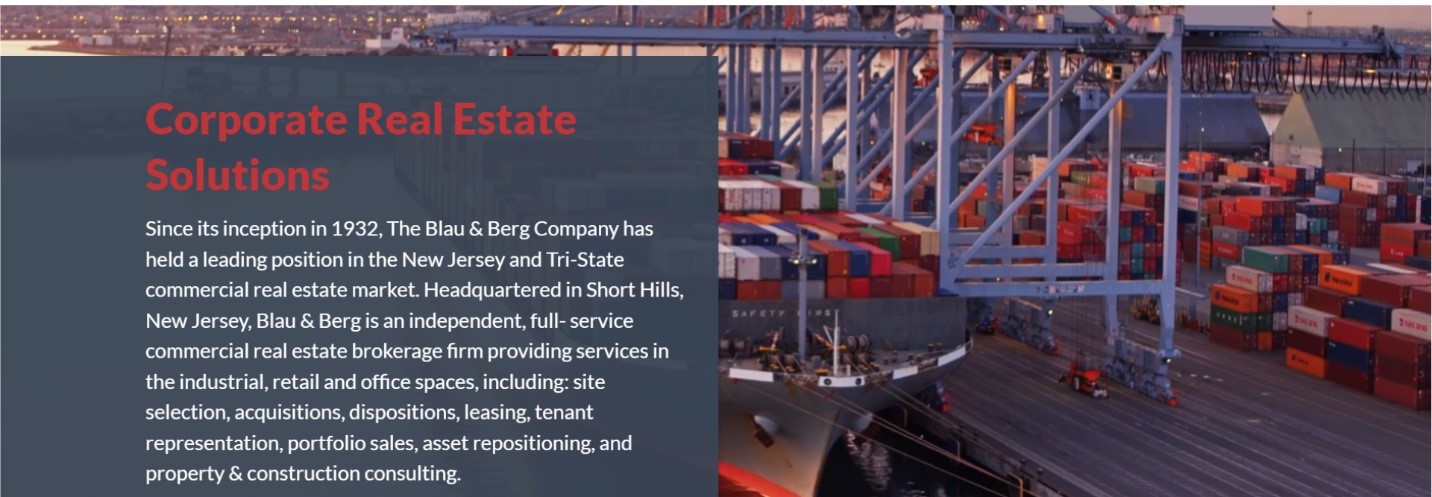
The Blau and Berg Company knows these properties well. With over 90 years in commercial property and deep expertise in distribution, their team gets what makes big warehouses work. Good highway access. Strong labor pools. Proper ceiling heights. All those details matter.
b) Last-Mile Delivery Spots
These sit closer to where people live. Smaller buildings usually. Maybe 50,000 to 200,000 square feet. Packages stop here right before reaching doorsteps. Sometimes they pop up in surprising places. Old shopping centers. Suburban office parks. Even converted retail stores.
Demand for this type stays incredibly tight. Vacancy rates often hover around 3 to 5 percent. That's super low. Rents hit record highs in many areas recently. Smaller spaces seem hotter than big ones right now actually.
c) Cold Storage and Food Warehouses
Grocery delivery took off big time. And that means more cold storage needs. These special buildings keep stuff at exact temperatures. Frozen foods. Fresh produce. Medicine too sometimes.
Building these costs more than regular warehouses though. Refrigeration systems. Extra insulation. Special floors with drains. All of it adds up fast. So these properties charge higher rents. And there aren't enough of them. Demand beats supply in most markets.
Why New Jersey Stays a Logistics Powerhouse
Let's talk geography for a minute. The New Jersey-New York-Pennsylvania area holds a special spot in logistics. And honestly, the reasons make total sense.
New Jersey topped the whole country in warehouse sales volume early in 2025. About 832 million dollars in deals. That beat every other state. Rent growth hit 11.3 percent yearly too. Average rents reached around 12 dollars per square foot. Well above the national average of about 8.73 dollars.
What makes this region so attractive though? A few things. First, tons of people live nearby. Over 60 million within a day's drive. Second, port access. The Newark-Elizabeth seaport ranks third largest in the nation. It moves over 100 billion dollars in goods yearly. Third, highways everywhere. Getting products anywhere on the East Coast becomes pretty straightforward.
The Blau and Berg Company understands this market inside out. Headquartered in Short Hills, New Jersey since 1932, they've watched the region grow. Their brokers average over 20 years of experience. They handle distribution centers, port logistics, e-commerce facilities, and more. Local know-how like that matters when deals get complicated.
Where the Market Stands Right Now
So what's happening today in this space? Well, it's kind of mixed. But mostly positive if you look closely.
National vacancy sits around 7 to 8 percent. That's higher than pandemic lows. But still pretty healthy by normal standards. New building starts dropped about 25 percent from pre-pandemic averages. Less new supply coming online. Which should balance things out eventually.
Leasing activity stays strong in key markets. New Jersey recorded 24.7 million square feet of warehouse leases in 2025. Third best performance ever. Northern Jersey leasing jumped nearly 6 percent year over year in the third quarter. 3PL firms led that charge. They took half of all major deals.
Here's the thing though. Decision cycles take longer now. About 12 to 14 months sometimes. Executives hesitate more. But deals still happen. Lots of pent-up demand exists. Once the economy settles, activity should pick up even more.
What Makes a Good Warehouse Location Anyway
Finding the right spot takes real work. Several factors come into play. Miss one and regrets follow later.
(i) Highway Access: Your products need to move fast. Locations near big highways win. Multiple route options add flexibility. If one road jams up, alternatives exist. Sites near interchange ramps work best usually.
(ii) Labor Markets: Warehouses need workers. Lots of them. So the local job pool matters big time. What's the unemployment rate? What do competitors pay? How far will people drive for work? Modern buildings also need skilled folks. Forklift drivers. Tech workers. All of it factors in.
(iii) Building Features: Today's distribution centers aren't old school warehouses. Clear heights of 36 feet or more. Heavy floors for equipment. Plenty of dock doors. Strong power systems. Climate control options. These features attract good tenants. And they bring higher rents.
(iv) Customer Proximity: Last-mile delivery changed everything here. Being close to people matters more now. Some companies pay extra for spots near cities. The delivery time savings justify higher costs. Speed wins these days.
How Tech Keeps Changing What Tenants Want
Technology reshapes this whole sector constantly. And those changes affect what tenants look for. Which affects what owners build. The cycle keeps going.
Automation is everywhere now. Robots. Conveyor belts. Auto-storage systems. These need specific building features though. High ceilings. Level floors. Heavy power. Older buildings often can't handle them. So demand shifts toward newer places. Buildings from before 2000 actually lost over 100 million square feet of tenants recently. People moved to better spaces.
Artificial intelligence plays a role too. Companies use AI to study supply chains. To predict when stuff breaks. To figure out where to put inventory. Power needs keep growing because of all this. Some warehouses now need electrical systems like data centers. Wild stuff honestly.
Why Investors Still Love This Sector
From an investment angle, the warehouse sector looks solid. Not flawless. But solid overall. Here's why money keeps flowing in.
The basics remain strong. E-commerce keeps growing. Supply chain safety stays important. Manufacturing returns to North America. These trends support demand long-term. Even when short-term bumps hit, the deeper forces persist.
Industrial real estate now makes up the largest chunk of major investment indexes. About 33 percent as of mid-2025. That's remarkable growth from ten years ago. Big investors see the value. They keep putting money in.
Smaller properties do especially well lately. Sale prices for buildings under 100,000 square feet jumped over 10 percent year over year. Bigger ones saw only 3.5 percent growth. Little guys win right now. Local businesses, service firms, and last-mile operators keep that segment tight.
Why Having Good Brokers Really Matters
Deals in this space aren't simple. Stakes run high. Details matter enormously. The right guidance makes a real difference here.
Firms like The Blau and Berg Company bring decades of knowledge. Their team knows which areas heat up. Which landlords play fair. Which buildings have hidden problems. Which sites work for specific needs. That kind of insight saves time and money.
Beyond finding space, good brokers do more. Lease talks. Incentive analysis. Site studies. Portfolio planning. Asset repositioning. The Blau and Berg Company handles all of that. Their full-service approach means clients don't juggle multiple vendors. Everything stays under one roof.
Common Questions About Distribution and Warehouse Properties
What exactly counts as industrial real estate?
This category covers buildings for making, storing, and moving goods. Think warehouses, distribution centers, manufacturing plants, and logistics hubs. They range from small flex spaces to giant million-square-foot facilities. All of them play roles in supply chains.
Why do distribution centers stay so popular right now?
E-commerce drives most of it. Online shopping needs way more warehouse space than regular stores. Companies also want backup locations after pandemic supply problems. And 3PL firms keep growing to serve all these needs. Everything adds up to strong demand.
What makes New Jersey such a hot market for warehouses?
Location drives it mostly. New Jersey sits between New York City and Philadelphia. It has major port access at Newark-Elizabeth. Over 60 million people live within a day's drive. Highways crisscross everywhere. Companies pay premium prices for these advantages.
How much space does online retail actually need?
The general rule says one billion dollars in new online sales needs about one million square feet of warehouse space. E-commerce requires roughly three times more room than traditional retail. That explains why this sector keeps growing as online shopping expands.
What features do modern warehouses need these days?
Today's buildings typically need 36-foot ceilings or higher. Lots of dock doors. Heavy-duty floors for equipment. Good sprinkler systems. Strong power hookups. Truck and employee parking. Climate control helps too. Older buildings without these features struggle to find quality tenants.
Does investing in logistics properties still make sense?
Most experts say yes. The basic demand drivers stay intact. E-commerce grows steadily. Supply chains need redundancy. Manufacturing comes back to North America. New building slowed down, limiting future supply. Smaller properties perform especially well right now. But every deal carries risk, so homework matters.
How can The Blau and Berg Company help with warehouse needs?
The Blau and Berg Company offers full services for distribution and logistics properties. They cover site selection, buying, selling, leasing, and tenant representation. Their team specializes in distribution centers, port logistics, e-commerce facilities, and manufacturing buildings. With over 90 years in business and brokers averaging 20-plus years of experience, they bring serious market knowledge to every deal.
Looking Forward in Warehouse and Logistics Properties
So where does this all go from here? Well, the logistics sector should stay strong going forward. The basics support it completely. Shopping habits changed for good now. E-commerce won't reverse course. Supply chains need safety nets everywhere. Companies want modern buildings with good features. All that keeps demand going strong for distribution and warehouse properties.
Sure, bumps will come along the way no doubt. Economic worries affect big decisions. Interest rates impact deal flow. Some markets face oversupply temporarily in certain areas. But the long-term path points up clearly. This sector survived tough times before many times. It'll handle whatever comes next.
For businesses looking for warehouse space, timing matters. Good spots go fast. Modern buildings cost more. Expert help makes navigating all this easier. The Blau and Berg Company stands ready to assist. Their Tri-State expertise. Their relationship network. Their focus on client wins. These resources help businesses find the right space at the right price in the right spot.
Industrial real estate earned its moment in the spotlight for good reasons. Distribution centers and logistics properties power modern commerce now. They link makers to buyers across the country. They deliver the convenience everyone expects these days. And they'll keep doing that for many years ahead. That's just how business works today. And honestly? Watching it all unfold is pretty exciting stuff.
COMTEX_472079844/2891/2026-01-17T04:52:14
Serious News for Serious Traders! Try StreetInsider.com Premium Free!
You May Also Be Interested In
- CoStar Group acquires Zonda for $800M, adding new home data
- Jupiter Neurosciences prices $2M registered direct offering of shares
- Evolution Petroleum closes $16M Midland Basin royalty acquisition
Create E-mail Alert Related Categories
Globe PR Wire, Press ReleasesSign up for StreetInsider Free!
Receive full access to all new and archived articles, unlimited portfolio tracking, e-mail alerts, custom newswires and RSS feeds - and more!
