



Halsten Stride Review: Could This Device Help With Menopausal Hip Pain?
 Tweet
Tweet Share
Share E-mail
A closer look at the red light therapy device designed specifically for women experiencing hip issues during menopause
Published: November 2025
Hip pain during and after menopause is one of the most common (and most often dismissed) complaints among women, despite growing evidence that hormonal changes directly affect tendon strength in the outer hip.
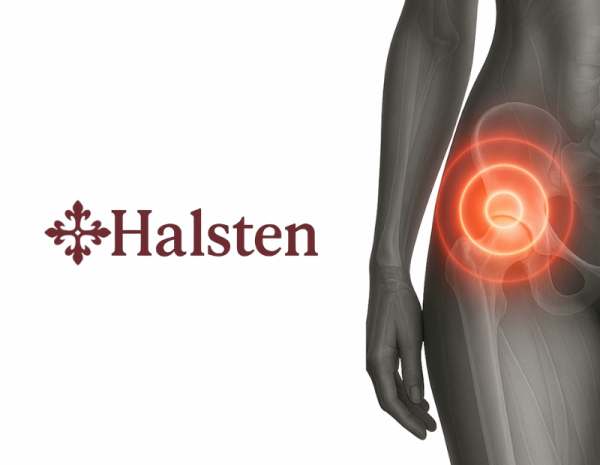
Although many women are told their discomfort is just 'part of aging,' research now shows that declining estrogen reduces collagen production, leaving hip tendons weaker, stiffer, and far more prone to irritation.
This is where the Halsten Stride (a wearable light-therapy device) has gained attention among women looking for targeted, at-home support.
Built for menopausal and postmenopausal women dealing with outer-hip tendon discomfort, it focuses on supporting the tendon tissue itself rather than offering another surface-level pain distraction.
But does it actually make a difference? This review cuts through the marketing to examine what the Halsten Stride actually does, and whether it delivers.
Understanding Menopausal Hip Pain
Why declining estrogen weakens hip tendons and triggers new symptoms in midlife
Before looking at the device, it's important to understand why hip pain becomes so common during menopause, and why many women suddenly develop symptoms they never had before.
As estrogen levels decline during menopause, collagen production in the body decreases. Since tendons are primarily made of collagen, this hormonal shift can lead to weakened, less elastic tendons, particularly in weight-bearing joints like the hips.
The condition called gluteal tendinopathy, affects the tendons on the outer hip. Common symptoms include:
- Pain on the outside of the hip
- Pain when lying on the affected side
- Pain during activities involving hip movement
- Tenderness to touch over the outer hip
- Weakness or stiffness in the hip
73% of women report being misdiagnosed with arthritis or bursitis, or told to simply 'rest more,' advice that often makes tendon problems worse and leaves women feeling dismissed or misunderstood.
What Is the Halsten Stride?
A hip-focused wearable designed specifically for menopausal tendon discomfort
The Halsten Stride is a wearable light-therapy device designed to deliver targeted wavelengths directly to the outer hip tendons, where menopausal symptoms most commonly develop.
Unlike generic LED therapy pads designed for general use, this device has been specifically engineered to address hip tendon pain in menopausal and postmenopausal women.
It's built for simple daily use at home, with short 15-20 minute sessions that fit easily into an evening routine.
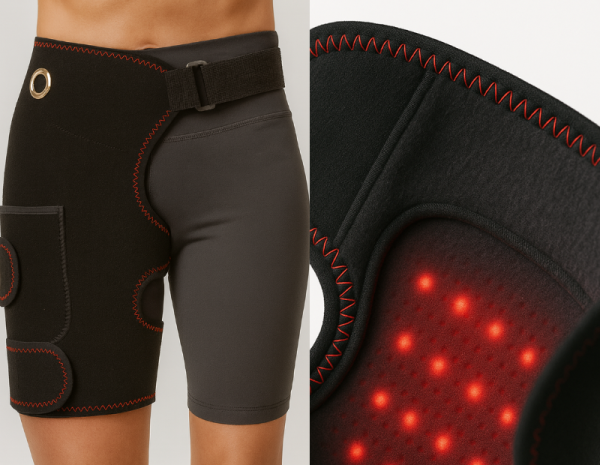
It wraps around the affected hip, positioning red lights at the precise location where the hip tendons attach to the muscle, the part on the outer hip where pain is most commonly felt.
What sets the Halsten Stride apart is its focus on supporting the underlying tendon tissue (the source of discomfort in gluteal tendinopathy) rather than simply masking pain signals.
The Science Behind Red Light Therapy for Tendon Health
How specific light wavelengths support cellular energy, collagen activity, and tissue comfort
The Halsten Stride uses a well-established approach known as light-based cellular therapy, where specific wavelengths of red and near-infrared light help support natural cell function and encourage healthier tendon tissue.
It does this through a three-step wavelength system, with each wavelength playing a different role in the repair process:
660nm Red Light: Penetrates 5-10mm beneath the skin surface, reaching superficial tissue layers to increase circulation and prepare deeper layers for treatment.
830nm Near-Infrared: Penetrates 30-40mm deep, targeting mitochondria in tendon cells to boost cellular energy production and stimulate collagen synthesis.
940nm Deep Infrared: Reaches the deepest tendon layers (up to 50mm), addressing inflammation and supporting proper collagen fiber alignment in degenerating tissue.
When these wavelengths reach cellular tissue, research indicates that multiple mechanisms are activated
Enhanced cellular energy: These wavelengths help stimulate the cell's natural energy centers, giving tendon cells the power they need to carry out repair processes.
Increased collagen activity: Light exposure encourages fibroblasts -- the cells that create collagen -- to become more active. This is especially relevant for menopausal women, whose collagen levels naturally decline as estrogen drops.
Calmer inflammation: Light therapy helps regulate irritation in soft tissues, supporting the body's healing response without shutting it down the way certain medications do.
Improved circulation: The light increases local blood flow, helping deliver oxygen and nutrients essential for healthy tendon repair.
Although the term may sound technical, light-based therapy is widely studied and has been used in clinical settings for decades, including wound care, muscle recovery, and post-surgical healing.
NASA even researched it for astronaut muscle recovery in space.
The breakthrough of the Halsten Stride lies in making this clinically proven technology accessible for home use.
Instead of relying solely on repeated clinic visits, women can now support their tendon health at home using the same scientific principles tested in medical environments.
Design and Features
Anatomy-shaped engineering that keeps therapeutic light exactly where it's needed
The device's design isn't cosmetic, every feature exists to solve a specific problem with delivering therapeutic light to hip tendons:
Anatomical contouring. The device is shaped to conform to the hip's natural curve, ensuring that light reaches the lateral hip where gluteal tendons attach. This targeted approach differs from flat therapy pads that may not maintain consistent contact with the treatment area.
Triple-wavelength LED array. By combining 660nm, 850nm and 940nm wavelengths in a single device, users receive both superficial and deep tissue treatment simultaneously. This eliminates the need for multiple devices or treatment sessions targeting different tissue depths.
Portable operation. The rechargeable battery system allows users to move freely during treatment sessions rather than being tethered to a power outlet. This practical consideration makes daily use more feasible for most users.
Adjustable fit. The device includes adjustable straps designed to accommodate varying body sizes while maintaining proper positioning of the LED array over the treatment area.
Personalized Intensity Control. A simple interface allows adjustment of light intensity, accommodating different sensitivity levels and treatment needs without requiring technical knowledge to operate.
Flexible treatment duration. The 10/20/30 minutes session fits reasonably into most schedules, making adherence more likely compared to longer treatment protocols.
Who Should Consider This Device?
Signs, symptoms, and user profiles that align most closely with the device's intended use
The Halsten Stride is designed for a very specific group: peri- and post-menopausal women experiencing outer-hip tendon pain, especially the kind that disrupts sleep, walking, or basic daily movements.
Within that group, it tends to be most useful for women experiencing the following patterns:
If your hip pain began or intensified during menopause. Since estrogen decline reduces collagen and tendon elasticity, women often find that light-based tendon support aligns well with this type of hormone-related discomfort.
If sleeping on your side has become impossible or you wake up repeatedly from sharp outer-hip pain. Night-time pain on the outer hip is extremely common in gluteal tendinopathy, and many women describe it as one of the most disruptive symptoms. Many user reports mention that improved sleep is often the first change they notice, typically within the first few weeks of steady use.
If standard treatments haven't worked. Physical therapy that plateaued after initial gains. Corticosteroid injections that provided only temporary relief. NSAIDs that barely touched the pain. Women who've exhausted conventional options without lasting improvement represent the core user base reporting positive outcomes.
If you prefer to avoid relying on long-term medication or frequent painkillers. For women who don't want to depend on ongoing medication, the device offers a non-pharmaceutical option that supports tendon comfort without relying on drugs.
If you can commit to regular use. The device requires 15-20 minute daily sessions for at least 4-6 weeks before most users report significant improvement. Women seeking immediate relief or unable to maintain consistent daily use should consider whether this timeline aligns with their needs and capabilities.
What Users Are Saying
Real experiences from women using the device for sleep, mobility, and daily comfort
Women who share their experiences with the Halsten Stride often mention three themes: improved sleep, gradual reduction in discomfort over several weeks, and feeling able to return to activities they had been avoiding.
'I've been using it daily since September, and the difference has been noticeable. I'm finally sleeping through the night again, which feels huge,' one user reported.
Another woman wrote, 'I used to walk six miles a day and hike every weekend, but menopause made my hip so sensitive that I had to stop. My husband got me this device about three weeks ago, and I've slowly started getting back into my hikes.'
Across many of the user reviews, several themes appear repeatedly:
- Improved sleep quality due to reduced nighttime hip pain
- A gradual easing of discomfort over several weeks of steady use
- Increased mobility and ability to return to activities like walking, hiking, or playing with grandchildren
- Feeling less limited by the persistent discomfort that used to interrupt daily routines
Pricing and Guarantee
How the cost compares to therapy sessions, injections, and ongoing clinic treatments
The Halsten Stride is priced similarly to other high-quality home light therapy devices, but far below the cost of repeated physical therapy sessions or specialist visits.
Many women point out that the price of the device is comparable to just a few weeks of physical therapy or a single round of injections, but with the advantage of repeat use without additional cost.
The manufacturer includes a guarantee period, giving women the opportunity to try the device at home and decide whether it fits their needs.
The package also includes free shipping and direct customer support, which makes the process straightforward for anyone trying the device for the first time.
The guarantee and reusable nature of the device make it appealing for women who prefer trying solutions at their own pace, without committing to ongoing clinic visits.
How to Use
A simple daily routine that fits naturally into an evening wind-down ritual
One of the practical advantages of the Halsten Stride is that it's very simple to use. The routine only involves a few straightforward steps, which makes daily consistency much easier:
- Plug in the charger and connect to Halsten Stride
- Wrap the Halsten Stride around the affected hip, placing the LED panel directly against the skin or thin clothing
- Adjust the straps until the device sits comfortably and stays in place.
- Turn the device on, then select the light intensity that feels most comfortable.
- Use for 15-20 minutes per session
- Repeat daily for best results
Many women use it in the evening while relaxing, reading, or watching TV, which fits naturally with the routine of winding down before bed.
What to Expect
A realistic week-by-week timeline based on user reports and tendon response patterns
The Halsten Stride supports your body's natural repair cycle, and users typically describe a gradual, step-by-step experience. Here's what that often looks like:
Timeline for Results
Many women say they notice early changes, often in sleep or morning stiffness, within the first few weeks. More noticeable improvements in mobility and overall comfort tend to appear gradually over four to eight weeks of steady use. This gradual timeline aligns with how tendons adapt and how collagen-producing cells respond to consistent stimulation. Users often describe the changes as gradual and steady rather than immediate.
Daily Use Requirements
Most users follow 15-20 minute daily sessions, which aligns with how tendons respond best to repeated, consistent stimulation. Because the device doesn't require stillness, many women use it during relaxing evening activities like reading or watching TV.
Individual Variability
Response to treatment varies based on factors including severity of tendon degeneration, overall health status, and consistency of use. Women who maintain regular daily sessions consistently report more significant outcomes in pain reduction, sleep quality, and mobility.
Integration with Overall Care
The Halsten Stride supports the tendon environment at a cellular level, particularly where collagen activity plays a role. It can complement other wellness habits, like gentle movement or supportive sleep positioning--that women often use to manage tendon discomfort.
The Bottom Line
A home-friendly option for women seeking non-invasive hip tendon support during menopause
The Halsten Stride offers a focused approach for women experiencing menopausal hip tendon discomfort, an issue that's common but often overlooked in typical care conversations.
Its hip-specific design and use of light wavelengths that support collagen activity set it apart from more general wellness devices that aren't shaped for the outer hip area.
Light-based therapy has been widely studied for its effects on cellular energy, collagen activity, and soft-tissue comfort, and these principles form the basis of how the Halsten Stride is designed to work.
User feedback suggests that women who use the device consistently over several weeks often describe better sleep, less morning stiffness, and more comfortable everyday movement.
While regular 15-20 minute sessions are needed, the device provides a non-invasive, drug-free way to support tendon comfort and overall hip well-being without relying on quick-fix approaches.
For women who haven't found lasting relief from traditional options, who prefer to avoid ongoing medication, or who want a home-based tool to support hip comfort, the Halsten Stride may be a convenient option to consider.
The investment represents a one-time cost comparable to several months of physical therapy sessions, with the advantage of unlimited ongoing use.
Disclaimer: This article is for informational purposes only and should not be interpreted as medical advice, diagnosis, or treatment recommendation. The information provided is not a substitute for consultation with a licensed healthcare professional. Individuals experiencing hip pain or other symptoms should consult a qualified medical provider for proper assessment and personalized guidance. Results from using any therapeutic device may vary based on individual circumstances, severity of condition, and other health factors.
For more information about the Halsten Stride, visit the official website or contact customer support for detailed product specifications and current pricing.
MEDIA INFORMATION
Contact Person: Anetta Zakharova
Website: https://tryhalsten.com
Country: United State
State: Wyoming
COMTEX_470522605/2891/2025-11-24T23:57:55
Serious News for Serious Traders! Try StreetInsider.com Premium Free!
You May Also Be Interested In
- Orosur Mining Inc Announces Holding(s) in Company
- Tryg shares are traded ex-dividend
- Next Crypto To Explode: AlphaPepe Brings AI Pre-Swap Analysis to the Crypto DEX Trading
Create E-mail Alert Related Categories
Globe PR Wire, Press ReleasesSign up for StreetInsider Free!
Receive full access to all new and archived articles, unlimited portfolio tracking, e-mail alerts, custom newswires and RSS feeds - and more!
