



Consumer Trust and the Push for Faster Online Transactions
 Tweet
Tweet Share
Share E-mail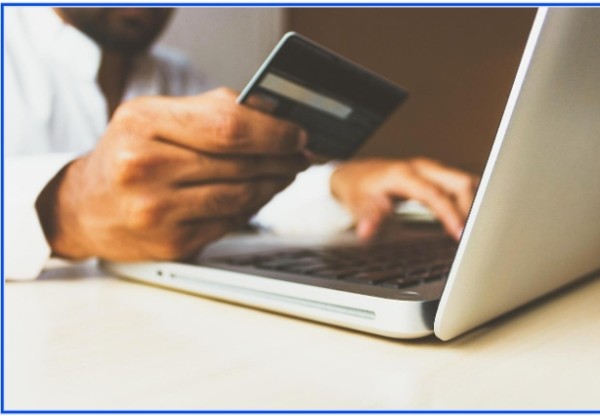
As people become more and more comfortable shopping, banking, and paying bills online, their expectations have continued to rise. There's currently a huge demand for technologies that make instant payments, quick refunds, and mobile wallets more accessible than they already are. It doesn't matter whether they're sending money to a friend or checking out from an online store, people want the process to be fast and frictionless.
Meeting this demand can translate into higher customer satisfaction and loyalty for businesses. It also creates opportunities to reach more of the masses who are eager to use modern digital payment methods. This demand is even clearer in online gaming spaces, where we see withdrawals processed in minutes on some casino sites. Viola D'Elia makes a valid point in saying, "Who wants to hit the jackpot and wait a week to feel like a winner?"
Behind every click lies trust: trust in the casino site, the third party responsible for payouts, and the people accountable for data privacy. For someone to willingly complete a transaction online, they must feel confident that the platform will protect their information and honor their purchases. Without trust, even the fastest checkout experience can fall flat because it reflects the belief that the platform will act in the consumer's best interest. Most people decide where to shop, how much to spend, and whether to return or not based on this same belief.
A few security measures, like encryption, two-factor authentication, and secure payment gateways, have to be considered when it comes to building trust. Most people also look for fair policies and transparency, which includes clearly explained return policies, straightforward pricing, and visible contact information.
Reviews, ratings, and testimonials from other customers are what consumers refer to when testing a site's reliability. This means that each and every business needs to have some form of reassurance section or page on their website to put people at ease. Although this goes without saying, it's best to have more positive than negative reviews. This is because even the most trusted platforms can lose credibility over time if certain issues arise.
The risk of cyberattacks, identity theft, and payment fraud remains high, and a single negative experience can cause someone to take their business elsewhere. Poor customer service, slow responses to concerns, or confusing terms and conditions can all act as red flags. If people don't understand how their problems will be resolved or feel that the process is unfair, trust can quickly fade.
To maintain trust while meeting demands for speed, businesses have to be strategic and adjust accordingly. Strong authentication tools, advanced fraud detection systems, and data encryption should never be sacrificed for the sake of speed. In the same breath, companies must keep users informed about how their data is protected and how transactions are handled to reassure them. Educating users about how to protect themselves online can also strengthen trust because sometimes people unknowingly endanger themselves. Ultimately, the success of digital commerce depends on finding the right balance, where speed betters the experience but never overshadows safety.
COMTEX_467345917/2891/2025-07-15T12:15:54
Serious News for Serious Traders! Try StreetInsider.com Premium Free!
You May Also Be Interested In
- Mikala Sposito brings home welding bronze from WorldSkills Shanghai 2026
- FlexScreen / RiteScreen Appoints Alejandro Pagani as Chief Financial Officer
- Badlands Provides Update Respecting Private Placement
Create E-mail Alert Related Categories
Globe PR Wire, Press ReleasesSign up for StreetInsider Free!
Receive full access to all new and archived articles, unlimited portfolio tracking, e-mail alerts, custom newswires and RSS feeds - and more!
