Investing Magazine

Magazine:
  • Business
  • Entertainment
  • Lifestyle
  • Sports
  • History
  • Movies & TV
  • Tech & Innovation
  • Automotive

Foods You’ll Never Eat Again After You Know The Ingredients

Updated: Apr 24, 2024By Audrey KyanovaFood
This article originally appeared on Investing.com. It has been republished here with permission.
©©nadianb/Shutterstock.com ©©nadianb/Shutterstock.com

The food industry is always evolving, with new products constantly hitting the shelves. However, have we ever wondered what lies beneath the enticing flavors and colors of these food items? This article unveils more than 25 foods with surprising ingredients that once known, might change some customer perspectives.

From unconventional animal-derived ingredients in everyday products, our goal is not to arouse fear or judgment but to empower readers with knowledge. After all, knowledge is power when it comes to making informed food choices. 

Disclaimer: All information is sourced from public databases and we respect all companies’ confidential information policies.

1. Canned Mushrooms

Company: Various
Market Share: $8 billion* 
Ingredient: Maggots and mites 

Let’s face it, mushrooms grow from the ground. They’re literally fungi that happen to taste delicious, but all isn’t exactly as it seems when it comes to canned mushrooms. It’s not so much about the mushrooms themselves, but what else is allowed in the can with them. 

Canned Mushrooms ©HandmadePictures/Adobe Canned Mushrooms ©HandmadePictures/Adobe

FDA guidelines actually allow a certain number of maggots into the cans. Around 30 maggots per can are actually deemed safe by the organization, as are 75 mites. That’s not to say that the ones you picked up at Target actually have any in, but it’s a bit worrying to think it’s legally allowed. 

2. Packaged Meat

Company: Walmart and others
Market Share: $320 billion* 
Ingredient: Carbon monoxide

Busy families often pick up a ton of packaged meat during shopping trips. A pound of ground beef can make a couple of meals and it’s a cost-effective way to make sure everyone gets fed. However, even if you buy top-quality meat, you could be consuming something more than protein. 

Packaged Meat ©Sergey Ryzhov / Shutterstock.com Packaged Meat ©Sergey Ryzhov / Shutterstock.com

Meat plants actually use carbon monoxide as it helps meat keep that red color that it wouldn’t usually after being out in the air. Granted, it’s a small amount and doesn’t impact the taste, but it’s actually a double-edged sword. Even if the meat has gone bad, it will keep the same color, so you might want to be extra careful when browsing the shelves at stores like Costco in the future. 

3. Artificial Sweetener

Company: Splenda, Sweet ‘n Low 
Market Share: $12 billion by 2032*
Ingredient: Aspartame

Aspartame has long been revealed to not be the calorie-free sweetener we all thought it was. As it turns out, artificial sweeteners can cause a lot of problems. According to the U.S. Right to Know, there are dozens of possible health ramifications tied to the same sweetener found in “diet” soda.

Artificial Sweetener ©Andrey_Popov / Shutterstock.com Artificial Sweetener ©Andrey_Popov / Shutterstock.com

According to the USRTK, health risks include cancer, Alzheimer’s disease, dementia, stroke, cardiovascular disease, mood disorders, headaches, migraines, and more. Though some people might order a diet drink to try to lose weight, evidence suggests that it could have the opposite effect. We think we’ll just stick to water, next time. 

4. Mayonnaise

Company: Hellmans, Heinz, and more 
Market Share: $8.285 billion* 
Ingredient: Fat  

The Times of India said that mayonnaise is one of the “unhealthiest foods you can eat.” Though mayo is a delicious condiment, assuming you’re not one of the vocal minority of people who hate it, there’s no denying that it is loaded with fat and calories. True, the fat is what makes it delicious, but a diet too high in anything can cause issues.

Mayonnaise ©Africa Studio / Shutterstock.com Mayonnaise ©Africa Studio / Shutterstock.com

Food Network had good news for people who love mayo. You don’t have to “ban it for life,” and it can be part of a healthy lifestyle, as long as you eat it in “very small amounts.” There are also light and reduced-fat brands available on supermarket shelves, too.

5. Chewing Gum

Company: Wrigleys and others 
Market Share: $32.63 billion*
Ingredient: Lanolin or sebum

Chewing gum has been around for years. Some think it’s a filthy habit, but if they knew exactly what was in it, they might think it’s even worse. In order to make the gum nice and chewy and give it that famous texture, companies often use lanolin. 

Chewing Gum ©Billion Photos / Shutterstock.com Chewing Gum ©Billion Photos / Shutterstock.com

Lanolin may sound harmless, but it’s actually something that oozes from sheep wool. The human equivalent of this is sebum, which is basically a type of oil that comes out of our pores. So, next time you buy a bumper pack of gum from Amazon to tide you over, it’s worth pausing and remembering exactly what you’re putting in your mouth.  

6. Frozen Meals

Company: Swanson’s and more 
Market Share: $55.8 billion*
Ingredient: Sodium, fat, and calories

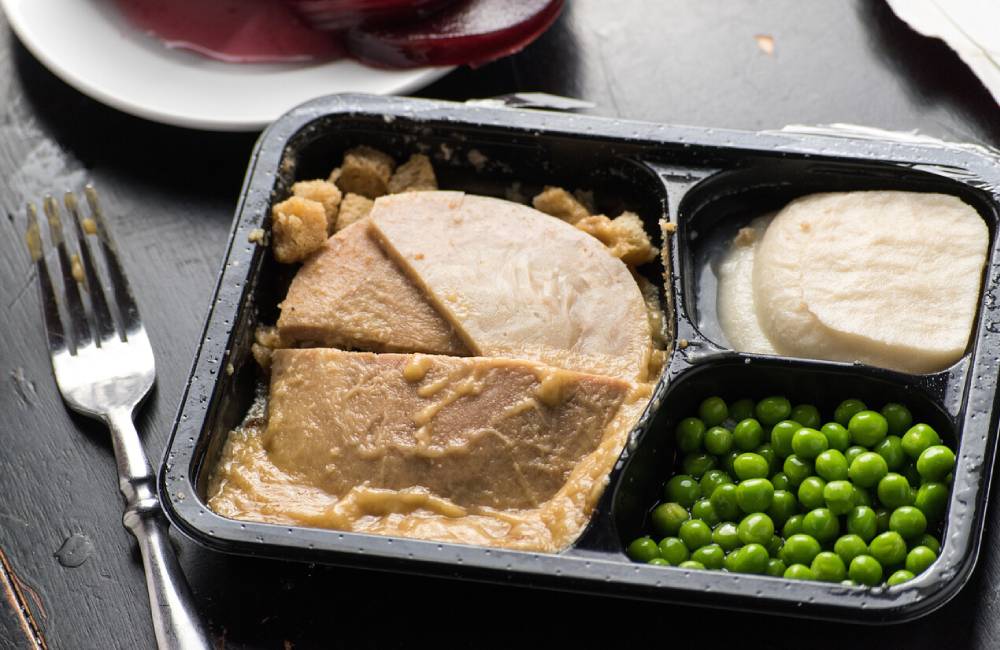
Frozen dinners are very convenient, and it makes sense why they’re a favorite of a lot of Americans. After you come home from a long day, all you have to do is pop the meal into the microwave, wait a little bit, and then you can eat something that would have taken way longer to actually cook.

Frozen Meals ©Lynne Ann Mitchell/Adobe Frozen Meals ©Lynne Ann Mitchell/Adobe

But, frozen dinners have their downsides. They are filled with fat, calories, and sodium—three things you want to keep in moderation. If you still want frozen meals, WebMD recommends sticking to lighter dinners from brands like Smart ones, Lean Cuisine, and Healthy Choice. 

7. Dates

Company: Various
Market Share: $21.5 billion by 2029*
Ingredient: Fruit flies 

Many people really love dates and eat them in place of candy, but would they be so keen to do so if they knew that ten insects and 35 fruit fly eggs per ounce are totally okay to be sold to you with the dates? 

Dates ©Brent Hofacker / Shutterstock.com Dates ©Brent Hofacker / Shutterstock.com

It’s not something many people know. Raisins and other fruit of that ilk are held to the same standard, so if this is something you’re into, just know you’re probably getting a little added protein in with your fruity snack. Bear Grylls would be proud.

8. Bacon

Company: Applegate, Market Pantry, and more 
Market Share: $65.27 billion* 
Ingredient: Cholesterol

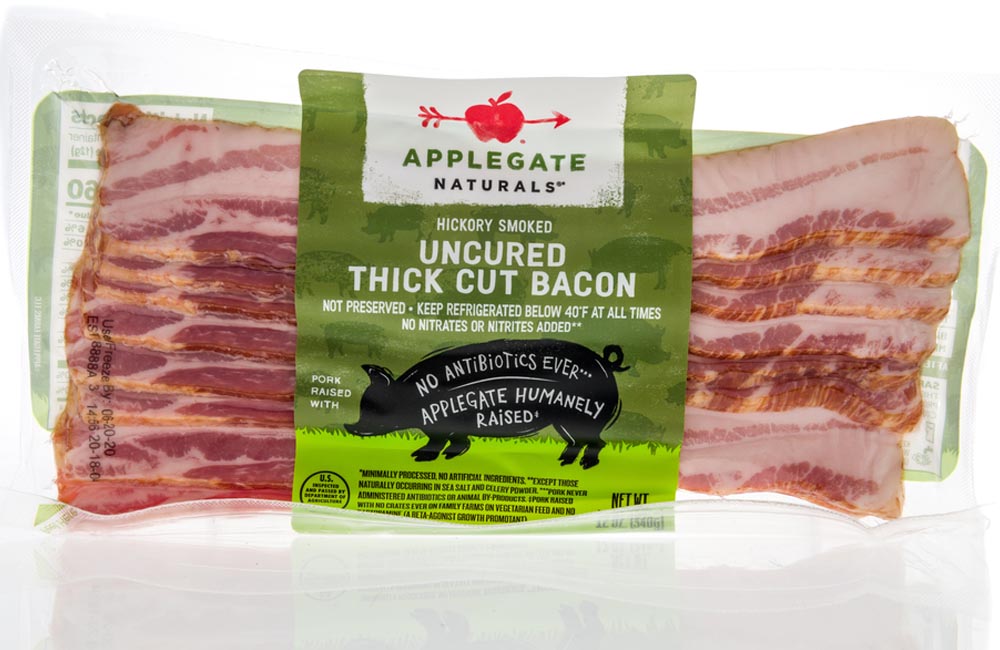
Bacon is amazing, we all know that, but we’re lying to ourselves if we think it’s in any way, shape, or form healthy. Bacon might be the perfect addition to a breakfast of eggs or a sandwich (or just eaten by itself), but it is high in cholesterol. According to WebMD, the bastion of all things medical-related, each ounce of bacon has 30 milligrams of cholesterol.

Bacon ©Keith Homan / Shutterstock.com Bacon ©Keith Homan / Shutterstock.com

If you’re eating bacon and eggs, you’re getting a double dose. Bacon is also rich in saturated fat, which means that it can raise cholesterol levels that way, too. The serving size of bacon is small, but it’s not advised that you pile it on every day. Sadly.

9. Packaged Bread

Company: Grupo Bimbo and others
Market Share: $42.4 billion* 
Ingredient: L-cysteine

There was a time (albeit many moons ago) when sliced bread was just a dream. People had to bake their own or buy straight from the baker, but these days it’s a common household item. However, there’s a reason why freshly-baked bread only lasts a couple of days when packaged bread can last weeks. 

Packaged Bread ©CGN089 / Shutterstock.com Packaged Bread ©CGN089 / Shutterstock.com

It’s all down to L-cysteine, which isn’t just any old regular preservative. The compound is natural, but that doesn’t make it any better. It’s actually derived from human hair. According to Disney’s Vice, the most popular source for this is hair salons in China. Hair is swept up, dissolved in acid, the L-cysteine is removed, and away it goes to bakeries to go into bread. 

10. Chocolate Bars

Company: Mars and others
Market Share: $114 billion total chocolate market*
Ingredient: Insect legs 

We have to apologize in advance, but nothing is sacred these days. Chocolate is something most of us enjoy in hearty amounts, which is why it’s such a beloved snack food. Even chocolate isn’t safe from contamination though apparently. 

Chocolate Bars ©ivan_kislitsin / Shutterstock.com Chocolate Bars ©ivan_kislitsin / Shutterstock.com

Guidelines state that chocolate bars usually have around eight insect legs inside on average, while still passing inspection. Next time you get a crunchy bar, take a minute and think about what’s giving it that texture. Is it nuts, is it caramel, or is it a beetle that came along for the ride and died from misadventure? 

11. Cheese

Company: Schuman’s Fairfield and others 
Market Share: $123.87 billion* 
Ingredient: Goat stomach lining (aka rennet)

Cheese is a wonderful thing that makes a ton of companies a very healthy amount of money on a yearly basis. It’s one of the most popular and most commonly bought foods around the world, but have you ever stopped to think what might be in it? 

Cheese ©MaraZe / Shutterstock.com Cheese ©MaraZe / Shutterstock.com

A block of dairy goodness might be the first thing on our Kroger shopping lists, but what if we told you that cheese is actually made with the stomach lining of a goat, calf, or lamb? What’s even more disturbing is that the animal in question has to be a baby and still be nursing from its mother in order for the right enzyme to be present.

12. Boxed Vegetable Pasta

Company: Barilla, Good & Gather, etc.
Market Share: $78 billion by 2029* (Total Pasta Market)
Ingredient: Same bad stuff as regular pasta 

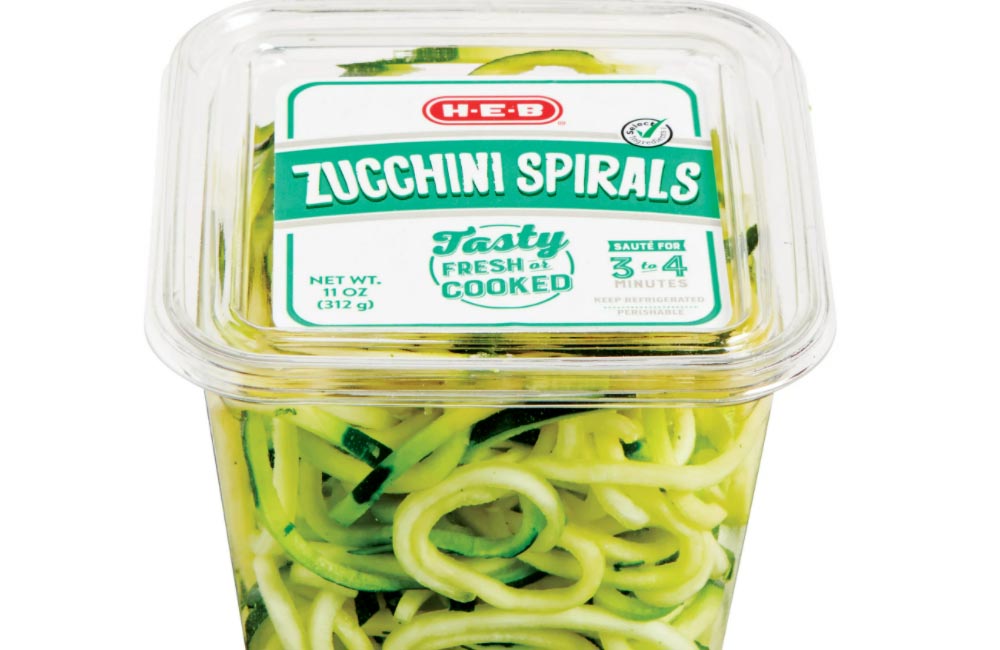
If we were willing to take a guess, we’d assume that most people choosing veggie boxed pasta over regular pasta were doing so because they thought the former would be healthier than the latter. Well, hold onto your hats because, if you check the back of the box on both of these pastas, you’ll likely find that the two have the same high carb count.

Boxed Vegetable Pasta @HEB / Pinterest.com Boxed Vegetable Pasta @HEB / Pinterest.com

Should you want a healthy vegetable pasta, consider making an investment into a spiralizer. These machines cost $30-$70 on average, and they will literally turn actual vegetables into spiral pieces of pasta. All you have to do is cook the newly-transformed vegetables (and add a healthy sauce, of course).

13. Marshmallows

Company: Jet-Puffed, Dandies, and more
Market Share: $319.18 million*
Ingredient: Sugar, artificial flavors and colors

By this point in our lives, most of us know that gelatin is a common ingredient in many different foods, such as different types of candy. However, did you know that mushed-up cow and pig bones are actually used to make marshmallows, too? 

Marshmellows ©Oksana Lyskova / Shutterstock.com Marshmellows ©Oksana Lyskova / Shutterstock.com

Next time you throw a pack of them into your cart at Walmart you might want to remember what’s actually inside these fluffy balls of deliciousness. The sugar might help conceal the fact that you’re actually devouring boiled animal carcass, but make no mistake – it’s still there, even if you can’t taste it. 

14. Instant Ramen

Company: Top Ramen, Maruchan, and more 
Market Share: $34.22 billion* 
Ingredient: MSG, TBHQ, sodium

Say it ain’t so. Every broke college kid’s favorite luxury meal has been deemed unhealthy, according to Healthline. To be fair, the $0.99 price probably should have given us some hints that these noodles were packed full of preservatives. Also, the fact that the noodles come in a hard brick could also be construed as a warning sign.

Instant Ramen ©oasisamuel / Shutterstock.com Instant Ramen ©oasisamuel / Shutterstock.com

Instant ramen noodles have their high points, in addition to being cheap and easy. They have iron, manganese, and B vitamins. Sadly, they also had MSG, high sodium, and TBHQ, three ingredients and preservatives that can negatively affect your health, possibly leading to stomach cancer, metabolic syndrome, and an increased risk of heart problems.