

Micron boosts US investment plan again, commits $250 billion through 2035
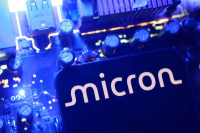
July 9 (Reuters) - Micron Technology said on Thursday it plans to invest more than $250 billion in the U.S. through 2035, driven by surging demand for memory chips in the AI era and President Donald Trump's push to bolster domestic chip production.
The new investment plan represents a jump from the $200 billion that Micron announced last June, which was already increased by $30 billion from its original spending plans.
Shares of Micron were up about 8% in early trading, adding to a more than 200% surge in value so far this year.
Domestic chip manufacturing has been a key priority for the Trump administration, as the U.S. seeks to reduce dependence on foreign semiconductor production, boost economic output and maintain its lead in the global AI race.
At the center of Micron's expanded investment plans is a semiconductor campus in New York. The project is running more than one quarter ahead of schedule, the company said on Thursday.
The New York facility, together with the company's expansion of its Idaho and Virginia operations, is expected to create more than 90,000 jobs in the country, Micron said.
As part of the investment, Micron said it would spend $3 billion on strengthening the U.S. semiconductor supply chain, of which $500 million will be used to fund advancements in GlobalWafers' 300-mm raw silicon wafer manufacturing facility in Sherman, Texas.
The two companies will also enter into a 10-year supply agreement that will provide significant raw silicon wafer capacity to support Micron's long-term manufacturing plans.
Micron, a key supplier for Nvidia's AI chipsets, has seen demand for its chips surge due to the AI boom. Last month, the company said its customers - across the data center, consumer and automotive markets - had locked in supplies of memory chips worth $22 billion.
(Reporting by Anhata Rooprai and Deborah Sophia in Bengaluru; Editing by Arun Koyyur and Leroy Leo)