

Robert Half survey: More than three-quarters of U.S. small businesses are confident about hiring, but nearly half struggle to find skilled talent
- Only 12% say they have the talent they need to complete high-priority projects
- 54% say AI-generated applications has made hiring more difficult
A survey of more than 250 U.S. small business leaders (fewer than 100 employees) shows that 76% are confident about their company's hiring outlook for the year ahead. Yet 47% say finding skilled talent is more difficult than one year ago, and only 12% say they have the talent needed to complete high-priority projects.
AI adoption and skills gaps intensify hiring challenges
Over the next 2 years, 41% of small business leaders expect a net increase in jobs at their organizations amid the rise of AI. At the same time, more than half (56%) report significant skills gaps on their teams, and 58% say those gaps have increased over the past year.
"Widening skills gaps are making it harder for small businesses to successfully compete and grow," said
How have AI-generated candidate materials complicated hiring?
The rapid adoption of AI tools among job seekers is introducing new hiring challenges. More than half of small business leaders (54%) say AI-generated applications have made hiring more difficult, primarily due to an influx of homogeneous applications that are difficult to authenticate.
As a result, many small businesses are seeking support from external partners, and 56% are more likely to work with a staffing firm due to AI-related hiring challenges. Of those, 84% report that those partners have been effective in addressing these obstacles—particularly by validating candidate information and identifying specialized talent for critical roles.
"Many small businesses don't have the resources to manage the surge in applications that can be difficult to authenticate," Fay added. "While AI has made job searching more efficient, it has also increased the need for trusted human experts who can validate skills and deliver specialized candidates."
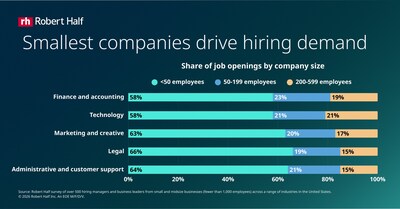
Small businesses drive hiring demand
Despite these challenges, small businesses remain a key source of job openings in the
FAQ:
Why is AI making the hiring process longer for employers?
AI-generated resumes and increased applicant volume enabled by AI are creating more work for hiring managers. Hiring teams are spending more time verifying skills, assessing authenticity and evaluating applicants who end up not having the required skills.
Why are small businesses confident about hiring but still struggling to fill critical roles?
Many small business leaders remain optimistic about growth this year but only a small share has the specialized talent they need. Growing skills gaps may also contribute to their ability to hire critical roles and move key initiatives forward.
How are small businesses adapting to a tighter talent market and navigating AI-driven hiring challenges?
Many are adjusting their hiring strategies by investing in upskilling or partnering with external experts. Staffing firms can help streamline candidate evaluations, reduce hiring risk and verify skills.
Are AI-generated resumes always inaccurate or misleading?
Not all AI-generated applications are inaccurate or misleading. Many candidates use AI responsibly to improve clarity or grammar. The challenge for employers is the volume of unverified applications and the difficulty distinguishing authentic experience from AI-fabricated content.
About the research
The research is gathered from a survey developed by
About

 View original content to download multimedia:https://www.prnewswire.com/news-releases/robert-half-survey-more-than-three-quarters-of-us-small-businesses-are-confident-about-hiring-but-nearly-half-struggle-to-find-skilled-talent-302770213.html
SOURCE